
Benghazi [Libya], August 20: The Global Competitive Urban Planning Initiative Benghazi (GCUPI-B) has reached 93% capacity, with FDRL urging firms, experts, startups and innovators from around the world to secure their place before the final registration deadline.

Launched under the mandate of the Fund for Development and Reconstruction of Libya (FDRL) and the supervision of General Director Engineer Belkasem Hiftar, GCUPI-B is the world’s first open international competitive process dedicated to generating real, forward-thinking concept masterplans and innovative solutions for Benghazi’s urban future.

The initiative aims to transform the ancient Mediterranean crossroads into a world-class economic hub for trade and logistics, dynamically interconnected with global markets centering three continents.

“We are not simply launching a competition, we are initiating a global partnership to integrate ambitious visions with the finest international expertise, thereby charting a course for a future worthy of Benghazi’s deep legacy and strategic importance” Engineer Belkasem Hiftar.

Who Can Participate?

GCUPI-B is designed to be inclusive and welcoming to a wide range of participants:

  • Established firms and consortiums compete to develop concept masterplans and innovative urban solutions
  • Joint ventures: multiple companies collaborating on shared projects can register under one unified profile
  • Startups: showcase innovative solutions, future-focused business models and new technologies
  • Visitors: private investors, experts and anyone interested in urban development are welcome to attend the International Conference events

Key Deadlines

  • Proposals Submission Deadline: 31st August 2026
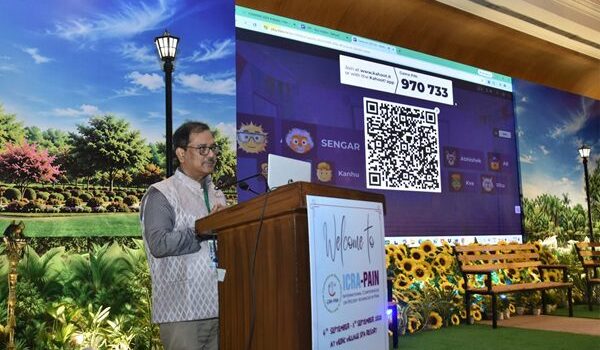
  • GCUPI-B Final Event: 6-8 September 2026 a three-day international conference featuring knowledge exchange, exhibitions, executive reviews and individual presentation sessions

Exclusive Opportunities for Participants

Proceeding companies will have the opportunity to sign MOUs with FDRL General Director Engineer Belkasem Hiftar on Day 3 of the initiative. VIP attendees can book one-on-one meetings with the General Director on Days 2 and 3, B2B meetings will be available for all participants on Day 3.

Why Benghazi?

With a history spanning from Italian colonial plans (1911) to the Doxiadis Associates Plan (1966) and the Kisho Kurokawa Corniche Project (1984), Benghazi has long been a canvas for visionary urban thinking. The 2026 Sustainable Future Vision Plan now aims to position Benghazi as a regional leader in modern environmentally responsible urban development, integrating smart technologies, green spaces and sustainability.

Act Now 93% Capacity Reached

With registrations already at 93% capacity, interested parties are encouraged to act quickly. The registration deadline is fast approaching and spaces are limited.

For more information and to register please visit: https://urbanbenghazi.org/

urbanbenghazi@reconstructionly.ly

About GCUPI-B

The Global Competitive Urban Planning Initiative Benghazi (GCUPI-B) is a flagship project of the Fund for Development and Reconstruction of Libya (FDRL), designed to harness global expertise in shaping Benghazi’s transformation into an integrated international economic capital. The initiative emphasizes international collaboration, smart and innovative urban solutions, strategic economic transformation, cultural vitality, community empowerment and sustainable development.

Note to Editors:

For more pictures: https://we.tl/t-yMVhtsCfVF4fmVv6

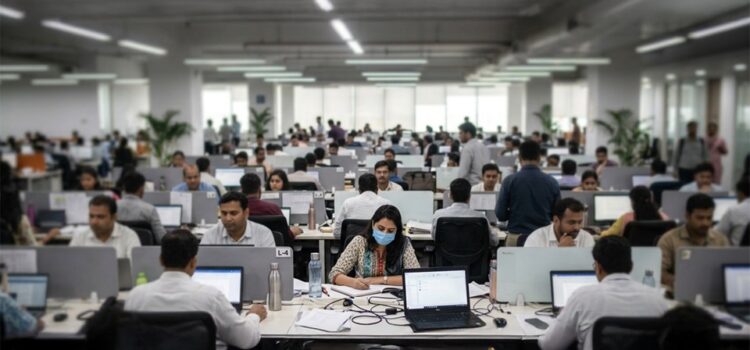
New Delhi, India, 17 August: Across government offices in India, a familiar scene plays out every day. A tender closes, and bids begin to arrive, sometimes dozens, often hundreds. Each submission is a stack of documents running into hundreds of pages, varying in format, structure, and completeness. Procurement officers are tasked with reviewing every page, verifying qualifications, evaluating compliance, and producing a comparative assessment that must stand up to audits, regulatory scrutiny, and RTI queries, often years later. This is not an exception. It is the operational reality of public procurement at scale.

As procurement volumes grow across Public Sector Undertakings (PSUs) and government bodies, this manual, document-heavy process has become increasingly difficult to sustain. Evaluation timelines stretch into weeks, coverage remains partial, and the risk of inconsistency and compliance gaps continues to rise, despite the presence of frameworks such as the General Financial Rules (GFR), CVC guidelines, and organization-specific tender manuals.

While platforms such as GeM have digitized access to procurement, the core challenge—evaluation, validation, and decision-making—remains largely manual. Bridging this gap between digitization and true automation has emerged as a critical need.

In response, Valiance Solutions recently announced the launch of Tender Intelligence, an enterprise SaaS platform designed to automate the complete tendering lifecycle and bring speed, structure, and compliance assurance to public procurement.

Developed as part of Valiance’s broader mission to deploy AI for large-scale national impact, Tender Intelligence is powered by the company’s proprietary, patented multimodal AI technology, capable of processing and reasoning across diverse data types, including scanned documents, structured tables, mixed-format files, and multilingual content. Built entirely on India-hosted, open-source AI models, the platform operates with zero dependency on foreign AI providers, ensuring full data sovereignty.

Proven at Scale in Live Government Deployments

Tender Intelligence is not a pilot system. It has already been deployed in production at one of India’s largest oil-sector PSUs, where it has processed over 16,000+ bids in real-world environments.

In one instance, the platform evaluated more than 500 bidders for a single tender, handling a scale of complexity that would be practically unmanageable through manual processes within any reasonable timeframe.

Across deployments, the platform has delivered over 98.7% accuracy, enabled 100% bid coverage compared to the limited sampling typical in manual reviews, and reduced evaluation timelines from weeks to under a day, representing a fundamental shift in procurement efficiency.

From Manual Burden to System-Driven Procurement

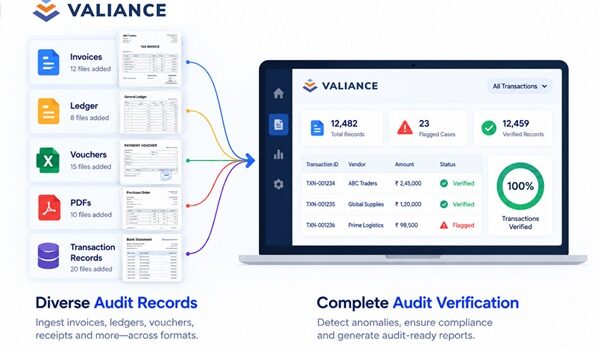
Tender Intelligence transforms procurement workflows by functioning as an end-to-end intelligence layer. Tenders are generated in alignment with GFR and organizational standards, ensuring completeness and consistency before publication. Approval workflows are validated against delegation of financial powers and regulatory requirements, creating a verifiable audit trail.

Once bids are submitted, the platform automatically retrieves documents from government portals, evaluates each submission against pre-defined criteria with cited evidence, and generates comprehensive, RTI-compliant comparative statements. Outputs are seamlessly integrated into ERP and document management systems, eliminating manual re-entry and preserving continuity across the procurement lifecycle.

The result is a transition from fragmented, document-heavy workflows to a unified, system-driven process where procurement officers shift from manual execution to informed oversight.

Enterprise SaaS Model for Nationwide Adoption

With its enterprise SaaS launch, Valiance is making Tender Intelligence accessible beyond large PSUs to government organizations of all sizes. Offered on a per-tender subscription model with a defined monthly minimum, the platform allows institutions to adopt and scale based on actual procurement demand, without the need for heavy upfront investment or per-user licensing.

This model ensures that a state department handling a moderate volume of tenders can access the same capabilities as the largest public sector enterprises.

Sovereign Infrastructure and Secure by Design

Tender Intelligence is a made-in-India sovereign AI platform engineered for secure deployment across MeitY-approved data centers, air-gapped environments, on-premises infrastructure, and cloud ecosystems.

Designed to meet the requirements of enterprise, government, and defense organizations, it ensures that all procurement data remains within India. The platform adheres to ISO 27001 and SOC 2 standards, aligns with public procurement policies and cybersecurity guidelines, and delivers enterprise-grade security, reliability, and compliance.

By eliminating reliance on external AI services and maintaining strict data isolation, the platform addresses one of the most critical concerns in government technology adoption: data security and control.

Early Impact on Procurement Outcomes

Initial deployments highlight a clear transformation in procurement operations. Where manual evaluation often leads to delays, partial coverage, and variability, Tender Intelligence enables consistent, comprehensive, and traceable analysis across all bids.

By reducing evaluation timelines by up to 99% while strengthening compliance assurance, the platform addresses one of the most persistent bottlenecks in public procurement, delivering both speed and accountability at scale.

Commenting on the launch, Vikas Kamra, CEO of Valiance Solutions, said:

“Public procurement was never designed to be executed manually at the scale we see today. Evaluation officers are expected to navigate complex rules, vast volumes of data, and strict compliance requirements simultaneously. Tender Intelligence was built to fundamentally change that equation, ensuring that every tender is processed not just faster but in full alignment with the frameworks that govern it. Our goal is to bring that level of assurance to every government organization in India.”

Valiance Solutions builds proprietary multimodal AI platforms for high-impact, real-world applications across public sector procurement, environmental conservation, healthcare, and enterprise operations. The company has been recognized by national and international institutions, including acknowledgment by India’s Prime Minister, and continues to focus on deploying AI systems where scale, compliance, and reliability are critical.

As India’s public procurement ecosystem continues to expand, platforms like Tender Intelligence signal a shift toward intelligent, system-driven governance, bridging the gap between digitization and true automation

For more details about the Tender Intelligence Platform, visit https://valiancesolutions.com/tender-evaluation/

For more information about Valiance Solutions, visit www.valiancesolutions.com .

For demo requests, please contact:

Phone: +91 8178157404

Email: info@valiancesolutions.com

New Delhi [India], August 13: Indian online gifting platform OyeGifts has introduced its Raksha Bandhan 2026 collection under the campaign theme “Har Rishta, Ek Khaas Rakhi.” Bringing together thoughtfully selected Rakhis, festive combinations and meaningful gifts, the collection offers customers a convenient way to Send Rakhi online to siblings and loved ones across India.

Raksha Bandhan celebrates much more than the exchange of a sacred thread. It represents childhood memories, affectionate teasing, shared secrets, gratitude, emotional support and the comfort of a lifelong connection. As siblings grow older, move to different cities or begin families of their own, the festival becomes an opportunity to pause and acknowledge the relationship they continue to share.

Inspired by this idea, “Har Rishta, Ek Khaas Rakhi” places the individuality of every sibling bond at the centre of festive gifting. The campaign encourages customers to choose a Rakhi or gift that feels relevant to the recipient rather than treating every relationship in the same way.

Customers looking to send Rakhi online through OyeGifts can explore traditional and contemporary Rakhis, personalised options, Rakhi sets, children’s designs and thoughtfully assembled gift combinations. The collection has been organised around different relationships, personalities, preferences and budgets, helping shoppers find an appropriate option without having to navigate an overwhelming number of individual designs.

The festive selection extends beyond Rakhi threads. Customers can pair a Rakhi with sweets, chocolates, dry fruits, cakes, flowers, personalised keepsakes or curated gift hampers. These combinations make it possible to arrange a more complete Raksha Bandhan surprise through a single order, whether the customer prefers a simple traditional gesture or a more elaborate festive presentation.

Dhirendra Kumar Tiwari, Founder and Managing Director of OyeGifts, said, “Every sibling relationship develops its own memories, private jokes and ways of expressing affection. Through ‘Har Rishta, Ek Khaas Rakhi’, we want to help customers choose something that feels true to their relationship. Along with thoughtful gifting options, our focus is on making online ordering and delivery simple, convenient and dependable, especially for families celebrating across different cities.”

Same-Day Rakhi Delivery for Last-Minute Celebrations

Recognising that festive plans are not always made in advance, OyeGifts is offering same day Rakhi delivery for selected products in serviceable locations. The option is intended to help customers arrange a Rakhi or festive gift at short notice and remain part of the celebration even when they cannot be present in person.

Customers can enter the recipient’s PIN code on the OyeGifts website to check available delivery dates and time slots before completing their purchase. Same-day availability is determined by the selected product, destination, order timing and local delivery capacity.

Along with same-day Rakhi delivery, express, scheduled and courier delivery options may be available for eligible products and locations. This gives customers the flexibility to plan their surprise in advance or arrange a last-minute delivery according to their requirements.

The online ordering process has been designed to keep festive shopping convenient. Customers can browse the collection, choose an appropriate Rakhi or gift, add the recipient’s details and a personal message, and review available delivery options in one place.

OyeGifts also provides a convenient way for customers living outside the country to send Rakhi to India. They can select a suitable festive option online and arrange delivery to a serviceable Indian address, helping them celebrate with their siblings despite the geographical distance.

By combining thoughtful festive choices, convenient online discovery and flexible delivery services, OyeGifts aims to reduce the effort involved in Raksha Bandhan gifting. The focus of its 2026 campaign is to help customers find something personal while ensuring that distance or last-minute planning does not prevent them from expressing their affection.

With “Har Rishta, Ek Khaas Rakhi,” OyeGifts seeks to celebrate the distinct character of every sibling relationship while positioning its platform as a convenient destination for customers looking to send Rakhi online, explore festive gifts and access same-day Rakhi delivery in eligible locations.

Customers can explore the Raksha Bandhan 2026 collection and check delivery availability at www.oyegifts.com.

About OyeGifts

OyeGifts is an Indian online gifting platform offering flowers, cakes, personalised gifts, plants, festive products and curated hampers for different relationships and occasions. Through its online platform and gifting network, OyeGifts helps customers send thoughtful surprises for birthdays, anniversaries, weddings, festivals and personal milestones.

Media Contact

Dhirendra Kumar Tiwari

Founder and Managing Director

OyeGifts

Phone: +91 88106 53911

Email: support@oyegifts.com

Website: www.oyegifts.com

New Delhi, August 14, 2026. A landmark study led by Dr. Mustafa Barbhuiya, Founder and Director, Foundation for Advancement of Essential Diagnostics, highlights the critical role of diagnostic equity in global public health and healthcare delivery.

A new peer-reviewed study led by Mustafa A. Barbhuiya, PhD, Medical Director of Clinical Chemistry and Point-of-Care Testing at Baystate Medical Center and Assistant Professor of Pathology at UMass Chan Medical School–Baystate, examines a fundamental but often overlooked challenge in the global fight against tuberculosis (TB): whether patients have access to the essential diagnostic services needed to identify disease and drug resistance. He founded the Foundation for Advancement of Essential Diagnostics, a non-profit research and development organization in India to promote access to diagnostics and equity in healthcare delivery.

The study, “Evaluating the nationwide availability of essential diagnostics for tuberculosis towards achieving a TB-free India,” has been published in Microbiology Spectrum, a journal of the American Society for Microbiology.

The research represents a significant academic contribution at the intersection of laboratory medicine, health systems, diagnostic equity, and global public health.

Rather than focusing solely on the performance of an individual diagnostic test, the study examines diagnostic access as a component of healthcare delivery—asking whether essential TB diagnostic services are available at appropriate levels of the healthcare system.

Diagnosis is the gateway to effective treatment and disease control. In global health, we often focus on whether a technology exists. The more important healthcare-delivery question is whether that technology is accessible to the patient who needs it, at the right place and at the right time,” said Dr. Barbhuiya.

From laboratory medicine to global health systems

The study grew from Dr. Barbhuiya’s longstanding interest in the role of essential diagnostics in healthcare delivery and population health.

At Baystate Medical Center, Springfield, Massachusetts, USA, Dr. Barbhuiya serves as Medical Director of Clinical Chemistry and Point-of-Care Testing and holds academic appointments in Pathology and Healthcare Delivery and Population Sciences at UMass Chan Medical School–Baystate. His academic work extends beyond the traditional boundaries of laboratory medicine to examine how diagnostic systems influence population health, particularly in resource-constrained settings.

The current study represents an example of that approach: applying principles of laboratory medicine and healthcare delivery to a major global health challenge. The research combined a nationwide analysis of India’s TB Treatment Units and Culture and Drug Susceptibility Testing (CDST) laboratories with a field assessment of 327 public healthcare facilities across seven states and Delhi.

The study identified a 61.56% gap in CDST laboratory capacity based on the population-coverage requirements used in the analysis.

At the primary-care level, only 4.94% of surveyed Primary Health Centers had the complete set of essential TB diagnostics recommended for that level of care.

The researchers also documented variable availability of acid-fast bacilli microscopy, chest X-ray, molecular testing, and fluorescence microscopy across the surveyed facilities.

Diagnostic equity as a healthcare-delivery issue

The findings underscore an increasingly important principle in global health: the availability of healthcare technology does not necessarily translate into equitable healthcare delivery.

A diagnostic test has limited population-health impact if patients cannot access it because of geographic, infrastructural, or health-system barriers. The study therefore moves the discussion of TB diagnosis beyond individual technologies and toward the broader architecture of healthcare delivery—including peripheral facilities, referral networks, laboratory capacity, and access to drug-resistance testing.

This is fundamentally a laboratory-equity issue, but it is also a healthcare-delivery issue. The laboratory is not isolated from the health system. Where diagnostic capacity is located, how patients reach it, whether testing can be performed reliably, and whether results can guide treatment all influence clinical outcomes and public health,” Dr. Barbhuiya added.

A global health question with relevance beyond tuberculosis

Although the research focuses on tuberculosis in India, the investigators believe the underlying question is applicable to many diseases and health systems. The World Health Organization’s Essential Diagnostics List provides a framework for countries to identify diagnostic tests that should be available at different levels of their healthcare systems. The study examines how such a framework translates into actual diagnostic infrastructure on the ground. This has broader relevance for diseases ranging from infectious diseases to diabetes, cardiovascular disease, and cancer, where early and accurate diagnosis is essential for appropriate treatment and disease management.

Dr. Barbhuiya founded the Foundation for Advancement of Essential Diagnostics (FAED) to advance the role of essential diagnostics in global health and healthcare delivery. His work has included research and policy engagement related to diagnostic access, laboratory systems, and essential diagnostics in India and other resource-constrained settings.

A multidisciplinary and international collaboration

The study brought together investigators from the Foundation for Advancement of Essential Diagnostics and collaborating institutions in India and the United States. The collaboration illustrates the increasingly international nature of academic medicine and health-services research, linking laboratory medicine expertise in the United States with field-based health systems research in India. The study also reflects the role that academic medical centers can play in addressing global health challenges through research that connects clinical expertise with population-level questions.

Rigorous peer review strengthened the study

The manuscript underwent multiple rounds of peer review before publication. Reviewers examined the study’s sampling methodology, geographic representation, definition of diagnostic availability, private-sector coverage, human resources, diagnostic utilization, statistical methodology, and implications for laboratory equity. The authors subsequently revised the manuscript to clarify the study’s scope and limitations, including distinguishing the multi-state facility assessment from the nationwide mapping of TB Treatment Units and CDST laboratories.

The final manuscript was accepted for publication on June 27, 2026, and subsequently published in Microbiology Spectrum, an American Society of Microbiology journal.

Building bridges between clinical medicine and global health

The work illustrates how academic medicine can extend beyond the hospital and laboratory to address questions of population health and health-system performance. Dr. Barbhuiya’s research agenda sits at the intersection of clinical laboratory medicine, diagnostics, healthcare delivery, and global health policy.

Our responsibility as academic physicians and scientists extends beyond diagnosing the individual patient in front of us. We also need to understand whether health systems are structured to make accurate diagnosis possible for entire populations, particularly populations that are underserved,” said Dr. Barbhuiya.

The researchers are continuing work to characterize diagnostic infrastructure and access in India and to examine the broader role of essential diagnostics in strengthening healthcare delivery.

Publication

Barbhuiya MA, Chakraborty B, Laskar A, et al. Evaluating the nationwide availability of essential diagnostics for tuberculosis towards achieving a TB-free India. Microbiology Spectrum. 2026. DOI: 10.1128/spectrum.00703-26.

Full article: Microbiology Spectrum – published article

Blending deep Vedic wisdom, master-level Yoga expertise, and high-precision AI technology to deliver standardized, diagnostic-driven Ayurvedic care.

BARWALA, HARYANA, INDIA — HealthTech Entrepreneur Acharya Shubham Barwala, Founder and Director at Vedamrita, is transforming the landscape of modern holistic medicine by bridging centuries-old Ayurvedic traditions with advanced Information Technology and Artificial Intelligence. Driven by his core operational philosophy, “Precision in every prescription,” Acharya Shubham Barwala is scaling Vedamrita into a premier multi-branch wellness ecosystem equipped with proprietary AI diagnostic tools and modern clinical standards.

As an expert Yoga Master and seasoned Ayurvedic scholar, Acharya Shubham Barwala brings a unique dual perspective to healthcare—combining authentic mind-body alignment with high-precision technological innovations. Under his leadership, Vedamrita has engineered a groundbreaking suite of HealthTech solutions designed to digitize and standardize traditional care:

  • Nadi Amrita: A state-of-the-art, wrist-based pulse diagnostic sensor that digitizes classical Nadi Pariksha, rendering real-time physiological data with clinical accuracy.
  • Vaidya Saarthi: An advanced AI clinical copilot that assists doctors and practitioners with diagnostic insights, case analysis, and personalized treatment workflows.
  • Swasthyarath: A proprietary digital Hospital Management System (HMS) ensuring seamless hospital administration, sandbox registration compliance, and patient data privacy.

OFFICIAL STATEMENT / QUOTE

“Healthcare should neither be trapped in outdated manual processes nor detached from authentic natural healing. At Vedamrita, our mission is to empower practitioners with scientific precision. By fusing yogic mastery, deep Ayurvedic diagnostics, and clinical AI, we are establishing a new benchmark for accessible, high-precision healthcare across all our branches.”

— Acharya Shubham Barwala, Entrepreneur & Founder of Vedamrita

With a strong emphasis on regulatory compliance, data security, and multi-branch expansion, Acharya Shubham Barwala continues to position Vedamrita as a pioneer in the global AyurTech sector, setting new standards for tech-enabled holistic wellness.

ABOUT VEDAMRITA

Vedamrita is a leading multi-branch healthcare and wellness ecosystem dedicated to delivering authentic Ayurvedic care, advanced Panchakarma, and Yogic science integrated with modern technology. Founded by Acharya Shubham Barwala, Vedamrita leverages proprietary AI diagnostic tools and digital management systems to provide structured, root-cause healing.

ABOUT ACHARYA SHUBHAM BARWALA

Acharya Shubham Barwala is an Indian HealthTech entrepreneur, expert Yoga Master, Ayurvedic practitioner, and software innovator. He is the Founder and Director of Vedamrita and co-director at Vedamrita Healthcare Private Limited, specializing in AI-driven diagnostic devices, smart clinical copilots, and digital health infrastructure.

MEDIA CONTACT & OFFICIAL PROFILES

Full Name: Acharya Shubham Barwala
Designation: Founder & Director
Organization:
Vedamrita / Vedamrita Healthcare Private Limited
Location:
Barwala, Hisar, Haryana, India
Official Website:
https://shubhambarwala.com
Official Email:
ceo@vedamrita.com
LinkedIn:
https://www.linkedin.com/in/acharya-shubham-barwala-439044233
Facebook:
https://www.facebook.com/shubhambarwala/
Instagram:
https://www.instagram.com/acharya_shubham_barwala/
YouTube:
https://www.youtube.com/@AcharyaShubhambarwala

New Delhi [India], August 14: India’s fight against tuberculosis needs to go beyond treatment and case notification and urgently focus on strengthening diagnostic infrastructure at the point of care, according to a new peer-reviewed study published in Microbiology Spectrum, a journal of the American Society for Microbiology. The study, titled “Evaluating the nationwide availability of essential diagnostics for tuberculosis towards achieving a TB-free India,” provides a multi-state assessment of essential tuberculosis diagnostic services across public-sector healthcare facilities and a nationwide analysis of TB Treatment Units and Culture and Drug Susceptibility Testing (CDST) laboratories. The research team assessed 327 healthcare facilities across seven states and Delhi, while also analysing national-level data on TB Treatment Units and CDST laboratories.

The findings reveal a critical mismatch between the ambition of TB elimination and the diagnostic capacity available across India’s health system. A particularly important finding is the 61.56% gap in CDST laboratory capacity identified through the national analysis. The study found only 97 CDST laboratories against the number of TB Treatment Units required to provide adequate population coverage. The researchers say this has direct implications for India’s ability to identify drug-resistant tuberculosis and provide timely, appropriate treatment.

Diagnostic access remains uneven at the primary-care level

The study found that essential TB diagnostic services are particularly limited at the peripheral levels of the healthcare system.

Only 4.94% of surveyed Primary Health Centres (PHCs) had the complete set of essential TB diagnostics recommended for that level of care.

The assessment also found substantial variation in the availability of individual diagnostic modalities, including acid-fast bacilli microscopy, chest X-ray, cartridge-based nucleic acid amplification testing (CBNAAT), and fluorescence microscopy.

For a disease such as tuberculosis, where delayed diagnosis can prolong infectiousness and contribute to transmission, the researchers argue that access to appropriate diagnostics cannot remain concentrated in higher-level facilities.

“The question is not simply whether India has advanced TB diagnostic technologies. The more important question is whether a patient presenting at the first point of care can actually access the appropriate diagnostic test and, when necessary, testing for drug resistance.”

A study that underwent rigorous peer review

The study underwent multiple rounds of peer review in Microbiology Spectrum. Reviewers specifically examined the study’s sampling strategy, geographic representation, definition of diagnostic availability, private-sector coverage, human resources, utilization of diagnostic services, statistical methodology and relevance to laboratory equity.

The authors revised the manuscript substantially in response.

Importantly, the researchers clarified that “availability” in the study refers to the actual provision of diagnostic services at the facility at the time of assessment, verified through direct observation and structured questionnaires, including the presence of functional instruments and necessary reagents.

The authors also acknowledge that availability should not automatically be equated with utilization or full diagnostic capacity. The survey did not measure test volumes, patient footfall, referral delays or other barriers to access. The findings therefore primarily describe infrastructural readiness rather than actual utilization of diagnostic services.

The study does not claim that 327 facilities represent all of India

Responding to reviewer concerns, the authors deliberately revised the terminology from “nationwide assessment” to “multi-state assessment” for the facility-level survey.

At the same time, the national mapping of TB Treatment Units and CDST laboratories provides a broader picture of India’s TB diagnostic infrastructure.

The authors also acknowledge that the facility survey had operational and logistical constraints, with greater representation from Assam because of the research team’s established presence and collaborations in the region. The selected locations nevertheless included remote northeastern settings, high-population northern states and the metropolitan setting of Delhi, providing insight into different healthcare contexts.

Why this matters for India’s TB elimination strategy

The researchers emphasize that diagnostic infrastructure is more than the physical presence of a machine. A functioning TB diagnostic system requires equipment, reagents, trained personnel, maintenance, quality assurance, referral mechanisms, and access to drug-susceptibility testing.

The peer-review process prompted the authors to explicitly distinguish diagnostic service availability from fully functional diagnostic capacity. They note that facilities reporting diagnostic services may still experience operational constraints, including limitations related to personnel and maintenance.

The study also highlights the importance of strengthening laboratory networks rather than relying exclusively on individual technologies.

Rapid molecular tests have transformed TB diagnosis, but they need to be supported by a broader laboratory infrastructure capable of detecting and monitoring drug resistance. Culture and drug-susceptibility testing therefore remain an important component of a resilient national TB laboratory network.

Lessons beyond tuberculosis

According to the authors, the implications extend beyond TB.

“Tuberculosis provides a powerful example of why laboratory equity is a health-system issue. A diagnostic technology has limited public-health value if the populations most affected by disease cannot access it when and where they need it.”

The authors argue that India’s experience could inform the broader implementation of the National Essential Diagnostics List (NEDL) and efforts to strengthen diagnostic access for other major infectious and chronic diseases.

The study therefore calls for greater attention to equitable distribution of essential diagnostics, strengthening of peripheral laboratories, expansion of molecular testing, maintenance of culture and drug-susceptibility-testing capacity, and investment in the human resources required to operate these systems.

The research team is continuing its assessment of TB diagnostic infrastructure in other parts of India. The authors expect future analyses to provide more comprehensive state-level comparisons and examine diagnostic utilization and other dimensions of access that were beyond the scope of the present study.

The study was ultimately accepted for publication on June 27, 2026, following two rounds of revision and peer review. The authors describe the published work as an initial evidence base for understanding India’s TB diagnostic landscape and emphasize that the findings should be used to guide further systematic assessment rather than interpreted as a definitive census of every healthcare facility in the country.

Reference: Barbhuiya M, Chakraborty B, Laskar A, et al. Evaluating the nationwide availability of essential diagnostics for tuberculosis towards achieving a TB-free India. Microbiology Spectrum. 2026. DOI: 10.1128/spectrum.00703-26

About the study: The research was undertaken by investigators associated with the Foundation for Advancement of Essential Diagnostics (FAED) and collaborating institutions in India and the United States.

Full article: Microbiology Spectrum – published article

There are public servants who administer governments, and then there are those who quietly transform lives.

Harjot Kaur belongs to the second category.

For over three decades, her work has taken her from the villages of India to Afghanistan and, today, to the World Bank, where she leads social development initiatives across Central Asia. Throughout this journey, one principle has remained constant: development must always put people first.

An outstanding student, Harjot graduated as topper of Punjab University in Geography Honours before completing her Master’s degree in Economics. She qualified simultaneously for both the Indian Civil Services and the Indian Economic Service, choosing the Civil Services because it offered the opportunity to work closely with people across India. Later while working, she also completed a Master’s in Environmental Management from Harvard University, US strengthening her expertise in sustainable development.

A gifted painter and avid reader, she credits her parents for instilling in her the values of education, compassion and public service. Those values became the foundation of a career devoted to improving the lives of vulnerable communities.

Her work has ranged from eliminating child labour in India and supporting women economic empowerment and environmental & social development projects to leading wide range of social development initiatives in Afghanistan and ensuring that World Bank-funded infrastructure projects across Central Asia safeguard the rights and livelihoods of affected communities.

Today, she has embraced another medium to share stories of hope. As the producer of PREET, an international feature film inspired by human resilience, she hopes to bring stories of courage and compassion to audiences around the world.

In this exclusive conversation, Harjot Kaur reflects on the experiences that have shaped her life and her enduring belief that public service begins with humanity.

In Conversation

Question: Looking back at a career that has taken you from India’s villages to international development across Central Asia, what has transformed you the most?

Harjot Kaur: More than the places I have travelled, it is the people I have met who have shaped me. Every assignment has reminded me that behind every policy is a human story. Development should not be measured only in statistics but in lives improved. That belief has guided me throughout my career.

Question: You qualified for both the Indian Civil Services and the Indian Economic Service. Why did you choose the Civil Services?

Harjot Kaur: I wanted to understand India through its people. The Civil Services gave me the opportunity to work directly with communities across the country. Every posting reinforced that while challenges differ, people’s aspirations remain the same, to live with dignity, security and opportunity.

Question: Was there a defining moment that changed the direction of your work?

Harjot Kaur: Yes. While working in the Ministry of Labour, I visited many cities where I saw children working instead of attending school. That experience stayed with me. It reinforced my belief that lasting change requires more than legislation; it also needs empathy, education and opportunities for families to build better futures.

Question: You also worked on environmental and social development projects during your years in India.

Harjot Kaur: Studying projects on Ganga Rejuvenation made me understand that environmental sustainability and social development cannot be separated. Communities struggling for basic necessities cannot be expected to prioritise environmental protection unless their livelihoods and well-being are also addressed. That lesson has influenced my approach ever since.

Question: Afghanistan was one of the most demanding assignments of your career. What do you remember most from those years?

Harjot Kaur: Afghanistan changed me forever. Despite years of conflict, I witnessed extraordinary resilience among its people. Women wanted education for their children, young girls dreamed of returning to school and communities wanted peace and dignity.

I had the privilege of working closely with the Government of Afghanistan on development initiatives in mining, education, women empowerment, institutional strengthening and social development. The trust shown by the Afghan people remains one of the greatest honours of my career.

The Government of Afghanistan appreciated my contribution and requested the Government of India to extend my tenure, which was deeply humbling. I also had the opportunity to contribute to strengthening development cooperation between India and Afghanistan. It remains one of the most meaningful chapters of my professional life.

Among the people and communities Harjot Kaur has worked with, she found lessons in resilience, dignity and hope.

Question: Today you work with the World Bank across Central Asia. How different is this role from your earlier responsibilities?

Harjot Kaur: The World Bank gave me the opportunity to work across countries with diverse cultures and development challenges. My work covers social development aspects across irrigation systems, dams, transport corridors, agriculture, water, urban development, housing and infrastructure. Whenever development affects people’s homes or livelihoods, my responsibility is to ensure fair rehabilitation, protection of their rights and inclusive outcomes.

Equally important is ensuring that development policies are implemented effectively and that public resources achieve their intended purpose. Accountability and compassion must always go together.

Harjot Kaur during a World Bank meeting in Tashkent, Uzbekistan, June 26, 2024.

Question: Your career has often focused on women, children and vulnerable communities. Why has that remained such an important priority?

Harjot Kaur: The success of any society is reflected in the lives of its most vulnerable people. My experience has taught me that lasting development begins by investing in people.

Children deserve classrooms instead of workplaces. Women deserve opportunities instead of limitations. Communities deserve participation instead of displacement. When these values shape public policy, development becomes meaningful.

For Harjot Kaur, every field visit is a reminder that behind every development project is a human story.

Question: After such a distinguished international career, what inspired you to enter the world of cinema?

Harjot Kaur: Cinema has the power to reach hearts in ways policy documents cannot. Over the years, I encountered many stories of courage and resilience that deserved to be shared.
PREET grew from that belief.

The story was conceived by my son, who studied filmmaking at Boston University and was deeply influenced by the social realities he witnessed while growing up. When he shared the script with me, I immediately recognised the struggles I had seen throughout my own career.

As a first-time filmmaker, securing financial support for a socially relevant film was difficult for him. I believed in his vision and invested my personal savings, besides taking financial loans, to help bring the film to life. Producing PREET is, for me, another way of serving society by encouraging empathy, understanding and hope.

Question: What message would you like to leave for young professionals who aspire to make a difference?

Harjot Kaur: Never forget that behind every policy, statistic and development project is a human being. Professional success matters, but compassion gives it meaning.
Leadership is not about authority or recognition. It is about responsibility. If your work leaves even one life better than you found it, your journey has been worthwhile.

As our conversation came to an end, Harjot Kaur gathered her papers with the same quiet simplicity that had marked every answer she gave. There was no attempt to celebrate her own achievements, no desire to speak about titles or recognition. Instead, she returned once again to the people who had shaped her journey, children who deserved classrooms instead of factories, women rebuilding their lives after conflict, families uprooted in the name of development and communities determined to build a better tomorrow. It became clear that public service, for Harjot Kaur, was never about holding office. It was about holding on to humanity. Whether in the villages of India, the mountains of Afghanistan, the policy rooms of the World Bank or now through the storytelling of PREET, her purpose has remained remarkably unchanged: effort to leave every place and every life she touches a little better than she found it.

Visakhapatnam, August 2026: Kiya World School has come on board as the Official Sponsor of the New India Baby Olympic Games (NIBOG) – Vizag 2026, a special sporting experience designed for young children between 5 to 84 months of age.

The day-long event will be held on Sunday, 16 August 2026, from 9:00 AM to 7:00 PM at S3 Sports Arena, Visakhapatnam, bringing together young children and their families for a day centred around movement, play, participation and joyful experiences.

Why Kiya World School is supporting NIBOG

For Kiya World School, the association with NIBOG reflects an important belief about early childhood: young children learn through movement, exploration, interaction and experience.

In the early years, physical activity is not simply about keeping children active. Crawling, walking, running, balancing, throwing and participating in playful challenges provide children with opportunities to develop coordination, body awareness, confidence and independence.

NIBOG provides a meaningful platform to bring this understanding of early childhood development into a real-world experience.

Kiya World School’s association with the event is therefore rooted in four key ideas:

  1. Movement is an important part of early development
    Children need opportunities to move, explore and use their bodies as they develop an understanding of themselves and the world around them.
  2. Participation matters more than competition
    For young children, the experience of taking part, trying something new and reaching the finish line can be more meaningful than winning. NIBOG creates an environment where children can participate at their own developmental level.
  3. Confidence begins with small achievements
    Completing a race, crossing a small hurdle or successfully throwing a ball can give a young child a sense of accomplishment and encourage them to try again.
  4. Families need opportunities to be active together
    Events such as NIBOG create opportunities for parents and children to share experiences, celebrate effort and encourage healthy habits from the early years.

A sporting experience designed for little participants

The NIBOG format allows children to participate in activities according to their age and stage of development. The event includes a range of playful challenges such as:

  • Baby crawling
  • Baby walker races
  • Running races
  • Hurdle and toddle challenges
  • Ball throwing activities
  • Cycling
  • Other age-appropriate physical games

The emphasis is on creating the excitement of a sporting arena while keeping the experience enjoyable and developmentally appropriate for young children.

For a toddler, crossing a finish line may be a small moment to an adult—but for the child, it can represent a significant achievement.

Beyond the race: what children gain from participation

Early childhood is a period of rapid development, and opportunities for active play can support several aspects of a child’s development.

Through activities such as running, crawling, balancing and throwing, children get opportunities to practise movement and coordination. Playful challenges can also encourage children to attempt something independently, persist when something feels difficult and experience the satisfaction of completing a task.

The experience can also strengthen parent-child connection. Parents become active participants in their child’s experience—encouraging, celebrating and creating memories together.

NIBOG also provides children with an opportunity to experience a larger social environment, while giving families the chance to connect with other young families in the community.

Kiya World School’s approach to the early years

At Kiya World School, the early years are viewed as a crucial stage in a child’s overall development. Learning for young children extends beyond classroom activities. Children need opportunities to move, explore, communicate, create, participate and discover.

The school’s association with NIBOG reflects this broader approach to early childhood programme – one where physical development, confidence, participation and joyful learning have an important place alongside academic foundations.

By supporting a community event that brings young children onto a sporting track, Kiya World School hopes to encourage families to see physical activity as a natural and enjoyable part of childhood.

A day of movement, participation and celebration

NIBOG Vizag 2026 promises to be more than a sporting event. It is an opportunity for children to experience the excitement of participation, for parents to celebrate their children’s small victories, and for families to come together around the importance of active childhoods.

With Kiya World School as the Official Sponsor, the event brings together two shared ideas: children learn by doing, and every child deserves an opportunity to participate.

Families interested in participating in the New India Baby Olympic Games – Vizag 2026 can register their children ahead of the event on 16 August 2026 at S3 Sports Arena, Visakhapatnam.

USA-based cricketers, including national and state-level players, hail Rokade’s technical expertise, mentorship and ability to build confidence

Mumbai, 12 August 2026: Behind every young cricketer’s development is often a coach who sees potential before the player fully recognises it themselves. For several students associated with KCR Academy in the USA, that mentor has been Deepali Rokade.

Students training with KCR Academy have spoken highly of Rokade’s contribution to their cricketing journeys, crediting her with not only improving their technical abilities but also changing the way they approach the game and themselves as cricketers.

Among those who have benefited from her guidance are Aparna Gurumurthy, who has gone on to represent the USA Women’s Cricket Team; Laasya Bandaru, selected for the USA U19 National Team; and U15 state-level player Reyaansh Dhar, whose association with Rokade began when he was just 11 years old.

Their journeys underline a coaching philosophy centred not merely on producing performances, but on developing confident, disciplined and self-aware cricketers.

Every player is different

What makes Deepali Rokade’s coaching approach stand out is her belief that every young player is different. Instead of forcing every cricketer into the same training mould, she focuses on understanding the player’s strengths, identifying areas for improvement and creating a learning environment where the player can develop with confidence.

For the USA-based students, this philosophy has proved particularly valuable. Coming from different cricketing backgrounds and levels of experience, the players have found in Rokade a coach who combines technical knowledge with a strong understanding of the mental side of cricket. The objective is not simply to tell a player what to do, but to help them understand their own game and why particular technical or tactical changes are necessary.

More than just cricket coaching

According to the students, Rokade’s influence goes beyond batting, bowling or fielding drills.

Her coaching encourages players to become more disciplined, focused and confident while dealing with the challenges that come with competitive cricket.

From correcting batting fundamentals and improving footwork to developing game awareness and learning how to handle pressure, her sessions are designed to make players think about why they are doing something rather than simply following instructions. This approach has helped many young cricketers develop a stronger understanding of their own game.

For them, Deepali Rokade is not simply the person standing behind the nets giving instructions. She is a mentor who constantly pushes them to believe that they can become better versions of themselves.

Building confidence, one player at a time

One of the biggest impacts of Rokade’s coaching has been the confidence she has instilled in her students. Young cricketers often go through phases of self-doubt, inconsistent performances and uncertainty about their abilities. Rokade’s emphasis on patience, process and consistent improvement allows players to understand that success does not happen overnight.

Her philosophy is simple, identify the potential, work on the basics, give the player time and allow confidence to grow naturally. That belief has resonated strongly with KCR Academy’s USA students, many of whom see her guidance as an important part of their development as cricketers. The progression of some of those players to state and national-level cricket offers an indication of the impact that sustained coaching and mentoring can have.

From first steps to state-level cricket

For Reyaansh Dhar, now an U15 state-level cricketer, Rokade was there right at the beginning of his cricketing journey. His association with her began four years ago when he was just 11 and taking his first steps in the sport.

Reflecting on that journey, his family said: “Four years ago, when Reyansh Dhar was just 11 years old and taking his very first steps in cricket, Coach Deepali became his first coach. Looking back today, I can confidently say that she didn’t just teach him the game—she helped shape the beginning of a journey that continues to inspire him every single day.”

Helping turn a dream into a USA cap

The impact of Rokade’s mentoring is also reflected in the journey of Aparna Gurumurthy, who progressed from being a young player with a dream to representing the USA Women’s Cricket Team.

For Aparna, the journey required not only technical development but patience, discipline, resilience and the confidence to pursue cricket at the highest possible level.

Her family said: “When Aparna first walked onto the cricket field, she had a dream. Like every dream, it needed someone who could nurture it with patience, discipline, and encouragement. Coach Deepali took on that role with incredible dedication. She saw potential, inspired confidence, and taught Aparna that success is earned through commitment, resilience, and humility. Today, as Aparna has the privilege of representing the USA Women’s Cricket Team, we know that this achievement is the result of years of hard work, supported by the guidance of an exceptional mentor.”

Belief that led to National selection

For Laasya Bandaru, Rokade’s influence extended across the technical, physical and mental aspects of the sport. Bandaru, who has been selected for the USA U19 National Team, credits her coach with believing in her potential and continually challenging her to improve.

She said: “Coach Deepali is a dedicated and inspiring coach who always brings out the best in her players. Her knowledge of the game, patience, and constant support helped me improve both mentally and physically.

“She believed in my potential and pushed me to work harder, stay disciplined, and trust myself. Her guidance played an important role in helping me reach my goal of making the USA team.”

A coach who believes in the process

Deepali Rokade’s coaching philosophy is rooted firmly in the fundamentals of the game.

Head balance, footwork, shot execution, hand-eye coordination, stamina, fielding skills and decision-making form an important part of the training process. But equally important is the mental preparation that accompanies these skills.

Rokade believes that young players should not be overwhelmed by excessive training. Instead, their physical and cricketing development should happen through a structured and progressive process that keeps learning enjoyable while preparing them for the demands of competitive cricket.

The focus is on establishing strong fundamentals first and then progressively increasing the intensity and complexity of training as players develop. This balance between performance and development has become an important part of the KCR Academy training environment.

It also means that development is not judged solely by immediate results.

A young player may experience failures, technical difficulties or periods of inconsistent performance, but the emphasis remains on understanding the process, making the necessary corrections and continuing to improve.

Creating cricketers for the Future

The success of a coach is ultimately reflected in the growth of the players they mentor.

For Deepali Rokade, that growth is not measured only through runs, wickets or selections, but also through the confidence, discipline and character developed by her students.

The appreciation coming from KCR Academy’s USA students reflects the impact of a coaching relationship that extends beyond the cricket field.

From an 11-year-old taking his first steps in the sport to young women progressing to USA national teams, their journeys demonstrate how the right combination of technical coaching, patience, encouragement and belief can influence a young cricketer’s development.

For Rokade, every player’s journey remains individual. Some may progress rapidly, others may require more time, but the principle remains the same: strengthen the fundamentals, understand the player, develop confidence and trust the process. Their journeys are also a reminder that the right coach can change more than a player’s technique,  they can change the player’s belief in what is possible.

For the young cricketers of KCR Academy, Deepali Rokade has become that guiding force: a coach, mentor and motivator who continues to shape their cricketing journeys, one player at a time.

Strategic collaboration brings agency-grade Post-Campaign Reporting, Brand Lift Surveys, and AI transformation training to Out-of-Home publishers across India.

August 13, 2026, India: Moving Walls, the world’s leading connected media platform and Wellversed Media, a specialised business research, marketing communications and media services firm, today announced a strategic Memorandum of Understanding (MoU) to co-develop, launch, and operate joint research products and training offerings for Out-of-Home (OOH) media owners in India.

Shifting from Impressions to Measurable Outcomes

While traditional Out-of-Home advertising has historically relied on location-based decisions supported by audience impression metrics, today’s advertisers are increasingly demanding proof of tangible business outcomes. As media owners take on campaign-lead roles directly with brand advertisers, the need for robust, agency-grade research becomes vital.

This partnership addresses this immediate market gap by equipping OOH publishers with the data tools required to showcase concrete ROI and brand impact to direct clients. Furthermore, it creates a repository of campaign performance data, allowing media owners to understand what works best and optimise future media strategies.

Key Initiatives of the Partnership

The strategic collaboration focuses on two core offerings designed to modernise the OOH ecosystem:

  • Joint Research Product for OOH Publishers: Integrates Moving Walls’ core Post-Campaign Reporting, Brand Lift Surveys (BLS), and Panel Research capabilities with Wellversed Media’s business research and impact assessment expertise. This offers media owners comprehensive post-campaign reports tailored for direct brand clients.
  • Media Owner Training Programs: Hands-on training modules designed to educate publishers on utilising AI, automation, and data technology to transform their operations and capture growing digital advertising budgets.

Srikanth Ramachandran, Founder and CEO of Moving Walls India: “The OOH landscape in India is undergoing a massive shift. Advertisers want to move beyond plain visibility to understanding real brand lift and audience impact. By pairing our measurement technology and panel research with Wellversed Media’s deep research capabilities, we are giving Indian media owners agency-level capabilities to service direct advertisers effectively.”

Rajiv Raghunath, Founder and CEO of Wellversed Media: “Media owners are taking on bigger leadership roles in executing brand campaigns. To sustain this, they need actionable research and proof of outcomes. This alliance equips media owners with both the impact reports necessary to win budget commitments today and the AI and data training required to future-proof their media assets.”

Under the agreement, Moving Walls will provide the underlying measurement technology, panel capabilities, and standard research structures, while Wellversed Media will manage end-to-end service delivery, client relationship management, business analysis, and final client presentations. The joint offering will be rolled out nationally across India.

About Moving Walls

Moving Walls is the world’s leading connected media platform, powering over a million screens worldwide from the streets of New York to the skylines of Tokyo, enabling brands to engage audiences with precision across the physical world.

About Wellversed Media

Wellversed Media is a business research, marketing and media services firm specialising in industry research, business impact assessments, market communications, and end-to-end campaign analysis.

Media Contact: