Home
For
Shoumyadeep Ghosh, Managing Director and Chairman of D S Motors in Teliamura, Tripura
, business leadership is not simply about authority, revenue or expansion. It is about building trust, developing people, improving systems and creating an organisation that can continue to grow over time. D S Motors began its journey in
2007
, and Ghosh believes the future of the organisation will depend on a combination of professional management, technology, customer experience and strong human relationships. His philosophy can be summed up in three words:
Build with purpose.
Leadership Is About Influence, Not Position
Ghosh sees a clear difference between positional authority and earned influence. A designation may give a person the authority to make decisions, but genuine leadership comes when employees trust a leader’s judgement. For him, competence, character and consistency create stronger influence than simply holding a senior position. This approach also shapes how he identifies future leaders within an organisation. Rather than looking only at job titles, he focuses on behaviour. Employees who take initiative, accept responsibility, solve problems, help colleagues and remain calm under pressure often show leadership potential before receiving any formal designation. According to Ghosh, one of the most important qualities in a future leader is
ownership,
the willingness to treat a responsibility as one’s own instead of waiting for someone else to act.
Customer Trust Is a Long-Term Business Asset
Customer experience is another major part of Ghosh’s business philosophy. He believes customers do not judge a dealership only by the product. They look at the entire experience, including pricing, communication, convenience, financing, service, reputation and after-sales support. Trust develops through repeated interactions. How customers are welcomed, how clearly information is explained, how a vehicle is delivered and how complaints are handled can all influence the relationship. A positive experience also makes repeat business easier because customers already know what to expect. For Ghosh, visibility may attract attention, but
reputation earns trust
. That is why he believes companies should make sure their public image reflects what actually happens inside the organisation.
Building Systems for Sustainable Growth
As businesses expand, Ghosh believes one of the biggest challenges is moving from founder-dependent operations to professional systems. In a small business, the founder may personally manage customers, suppliers, employees and everyday problems. But that model becomes difficult to maintain as the company grows. Processes, documentation, employee training, data, technology and performance measurement become increasingly important. “Growth without structure” can create new problems if revenue and staff numbers increase faster than the organisation’s ability to manage them. For this reason, Ghosh believes growth should increase organisational capability, not simply business volume. Looking back at his own entrepreneurial journey, one lesson stands out:
build systems earlier
.
Technology and AI in the Future of Dealerships
Ghosh expects technology to play an increasingly important role in the automotive dealership business. Rather than depending on a single technology, he sees value in combining
artificial intelligence, data analytics, CRM systems, automation and digital customer communication
. These technologies can help businesses identify customer follow-ups, service requirements, sales opportunities, operational bottlenecks and marketing performance. However, he does not believe AI will replace leadership. AI can analyse information and identify patterns, but human leaders still need to understand consequences, make decisions and determine how technology should be used. Entrepreneurs who learn to combine technology with strong human judgement may gain an important competitive advantage.
Creating Opportunities in Tripura
Ghosh also sees entrepreneurship as an important part of regional development. His vision is to see more businesses from
Tripura
become professionally managed, digitally capable and competitive at a national level. Strong local companies can create employment, improve professional skills, encourage technology adoption and give young people more opportunities within their own region. He believes local roots do not have to limit ambition. Businesses from smaller cities and regions can maintain local understanding while adopting professional standards that allow them to compete more widely.
From Business Operator to Institution Builder
For Ghosh, the next stage of entrepreneurship is not simply about operating a larger company. His goal is to evolve from a
business operator to a strategic leader and ultimately an institution builder
. That means developing people, creating stronger systems, maintaining integrity, adapting to technology and ensuring that customers continue to feel respected even as the organisation grows. His idea of legacy is equally practical. If employees continue learning, leaders continue developing, systems continue functioning and customers continue trusting the organisation even after the founder is no longer involved in everyday operations, then something meaningful has been created. That is the long-term vision behind Shoumyadeep Ghosh’s philosophy at D S Motors:
build with purpose, lead through influence and create something worth carrying forward.
Fashion
For
Shoumyadeep Ghosh, Managing Director and Chairman of D S Motors in Teliamura, Tripura
, business leadership is not simply about authority, revenue or expansion. It is about building trust, developing people, improving systems and creating an organisation that can continue to grow over time. D S Motors began its journey in
2007
, and Ghosh believes the future of the organisation will depend on a combination of professional management, technology, customer experience and strong human relationships. His philosophy can be summed up in three words:
Build with purpose.
Leadership Is About Influence, Not Position
Ghosh sees a clear difference between positional authority and earned influence. A designation may give a person the authority to make decisions, but genuine leadership comes when employees trust a leader’s judgement. For him, competence, character and consistency create stronger influence than simply holding a senior position. This approach also shapes how he identifies future leaders within an organisation. Rather than looking only at job titles, he focuses on behaviour. Employees who take initiative, accept responsibility, solve problems, help colleagues and remain calm under pressure often show leadership potential before receiving any formal designation. According to Ghosh, one of the most important qualities in a future leader is
ownership,
the willingness to treat a responsibility as one’s own instead of waiting for someone else to act.
Customer Trust Is a Long-Term Business Asset
Customer experience is another major part of Ghosh’s business philosophy. He believes customers do not judge a dealership only by the product. They look at the entire experience, including pricing, communication, convenience, financing, service, reputation and after-sales support. Trust develops through repeated interactions. How customers are welcomed, how clearly information is explained, how a vehicle is delivered and how complaints are handled can all influence the relationship. A positive experience also makes repeat business easier because customers already know what to expect. For Ghosh, visibility may attract attention, but
reputation earns trust
. That is why he believes companies should make sure their public image reflects what actually happens inside the organisation.
Building Systems for Sustainable Growth
As businesses expand, Ghosh believes one of the biggest challenges is moving from founder-dependent operations to professional systems. In a small business, the founder may personally manage customers, suppliers, employees and everyday problems. But that model becomes difficult to maintain as the company grows. Processes, documentation, employee training, data, technology and performance measurement become increasingly important. “Growth without structure” can create new problems if revenue and staff numbers increase faster than the organisation’s ability to manage them. For this reason, Ghosh believes growth should increase organisational capability, not simply business volume. Looking back at his own entrepreneurial journey, one lesson stands out:
build systems earlier
.
Technology and AI in the Future of Dealerships
Ghosh expects technology to play an increasingly important role in the automotive dealership business. Rather than depending on a single technology, he sees value in combining
artificial intelligence, data analytics, CRM systems, automation and digital customer communication
. These technologies can help businesses identify customer follow-ups, service requirements, sales opportunities, operational bottlenecks and marketing performance. However, he does not believe AI will replace leadership. AI can analyse information and identify patterns, but human leaders still need to understand consequences, make decisions and determine how technology should be used. Entrepreneurs who learn to combine technology with strong human judgement may gain an important competitive advantage.
Creating Opportunities in Tripura
Ghosh also sees entrepreneurship as an important part of regional development. His vision is to see more businesses from
Tripura
become professionally managed, digitally capable and competitive at a national level. Strong local companies can create employment, improve professional skills, encourage technology adoption and give young people more opportunities within their own region. He believes local roots do not have to limit ambition. Businesses from smaller cities and regions can maintain local understanding while adopting professional standards that allow them to compete more widely.
From Business Operator to Institution Builder
For Ghosh, the next stage of entrepreneurship is not simply about operating a larger company. His goal is to evolve from a
business operator to a strategic leader and ultimately an institution builder
. That means developing people, creating stronger systems, maintaining integrity, adapting to technology and ensuring that customers continue to feel respected even as the organisation grows. His idea of legacy is equally practical. If employees continue learning, leaders continue developing, systems continue functioning and customers continue trusting the organisation even after the founder is no longer involved in everyday operations, then something meaningful has been created. That is the long-term vision behind Shoumyadeep Ghosh’s philosophy at D S Motors:
build with purpose, lead through influence and create something worth carrying forward.
General News
For
Shoumyadeep Ghosh, Managing Director and Chairman of D S Motors in Teliamura, Tripura
, business leadership is not simply about authority, revenue or expansion. It is about building trust, developing people, improving systems and creating an organisation that can continue to grow over time. D S Motors began its journey in
2007
, and Ghosh believes the future of the organisation will depend on a combination of professional management, technology, customer experience and strong human relationships. His philosophy can be summed up in three words:
Build with purpose.
Leadership Is About Influence, Not Position
Ghosh sees a clear difference between positional authority and earned influence. A designation may give a person the authority to make decisions, but genuine leadership comes when employees trust a leader’s judgement. For him, competence, character and consistency create stronger influence than simply holding a senior position. This approach also shapes how he identifies future leaders within an organisation. Rather than looking only at job titles, he focuses on behaviour. Employees who take initiative, accept responsibility, solve problems, help colleagues and remain calm under pressure often show leadership potential before receiving any formal designation. According to Ghosh, one of the most important qualities in a future leader is
ownership,
the willingness to treat a responsibility as one’s own instead of waiting for someone else to act.
Customer Trust Is a Long-Term Business Asset
Customer experience is another major part of Ghosh’s business philosophy. He believes customers do not judge a dealership only by the product. They look at the entire experience, including pricing, communication, convenience, financing, service, reputation and after-sales support. Trust develops through repeated interactions. How customers are welcomed, how clearly information is explained, how a vehicle is delivered and how complaints are handled can all influence the relationship. A positive experience also makes repeat business easier because customers already know what to expect. For Ghosh, visibility may attract attention, but
reputation earns trust
. That is why he believes companies should make sure their public image reflects what actually happens inside the organisation.
Building Systems for Sustainable Growth
As businesses expand, Ghosh believes one of the biggest challenges is moving from founder-dependent operations to professional systems. In a small business, the founder may personally manage customers, suppliers, employees and everyday problems. But that model becomes difficult to maintain as the company grows. Processes, documentation, employee training, data, technology and performance measurement become increasingly important. “Growth without structure” can create new problems if revenue and staff numbers increase faster than the organisation’s ability to manage them. For this reason, Ghosh believes growth should increase organisational capability, not simply business volume. Looking back at his own entrepreneurial journey, one lesson stands out:
build systems earlier
.
Technology and AI in the Future of Dealerships
Ghosh expects technology to play an increasingly important role in the automotive dealership business. Rather than depending on a single technology, he sees value in combining
artificial intelligence, data analytics, CRM systems, automation and digital customer communication
. These technologies can help businesses identify customer follow-ups, service requirements, sales opportunities, operational bottlenecks and marketing performance. However, he does not believe AI will replace leadership. AI can analyse information and identify patterns, but human leaders still need to understand consequences, make decisions and determine how technology should be used. Entrepreneurs who learn to combine technology with strong human judgement may gain an important competitive advantage.
Creating Opportunities in Tripura
Ghosh also sees entrepreneurship as an important part of regional development. His vision is to see more businesses from
Tripura
become professionally managed, digitally capable and competitive at a national level. Strong local companies can create employment, improve professional skills, encourage technology adoption and give young people more opportunities within their own region. He believes local roots do not have to limit ambition. Businesses from smaller cities and regions can maintain local understanding while adopting professional standards that allow them to compete more widely.
From Business Operator to Institution Builder
For Ghosh, the next stage of entrepreneurship is not simply about operating a larger company. His goal is to evolve from a
business operator to a strategic leader and ultimately an institution builder
. That means developing people, creating stronger systems, maintaining integrity, adapting to technology and ensuring that customers continue to feel respected even as the organisation grows. His idea of legacy is equally practical. If employees continue learning, leaders continue developing, systems continue functioning and customers continue trusting the organisation even after the founder is no longer involved in everyday operations, then something meaningful has been created. That is the long-term vision behind Shoumyadeep Ghosh’s philosophy at D S Motors:
build with purpose, lead through influence and create something worth carrying forward.
Health
For
Shoumyadeep Ghosh, Managing Director and Chairman of D S Motors in Teliamura, Tripura
, business leadership is not simply about authority, revenue or expansion. It is about building trust, developing people, improving systems and creating an organisation that can continue to grow over time. D S Motors began its journey in
2007
, and Ghosh believes the future of the organisation will depend on a combination of professional management, technology, customer experience and strong human relationships. His philosophy can be summed up in three words:
Build with purpose.
Leadership Is About Influence, Not Position
Ghosh sees a clear difference between positional authority and earned influence. A designation may give a person the authority to make decisions, but genuine leadership comes when employees trust a leader’s judgement. For him, competence, character and consistency create stronger influence than simply holding a senior position. This approach also shapes how he identifies future leaders within an organisation. Rather than looking only at job titles, he focuses on behaviour. Employees who take initiative, accept responsibility, solve problems, help colleagues and remain calm under pressure often show leadership potential before receiving any formal designation. According to Ghosh, one of the most important qualities in a future leader is
ownership,
the willingness to treat a responsibility as one’s own instead of waiting for someone else to act.
Customer Trust Is a Long-Term Business Asset
Customer experience is another major part of Ghosh’s business philosophy. He believes customers do not judge a dealership only by the product. They look at the entire experience, including pricing, communication, convenience, financing, service, reputation and after-sales support. Trust develops through repeated interactions. How customers are welcomed, how clearly information is explained, how a vehicle is delivered and how complaints are handled can all influence the relationship. A positive experience also makes repeat business easier because customers already know what to expect. For Ghosh, visibility may attract attention, but
reputation earns trust
. That is why he believes companies should make sure their public image reflects what actually happens inside the organisation.
Building Systems for Sustainable Growth
As businesses expand, Ghosh believes one of the biggest challenges is moving from founder-dependent operations to professional systems. In a small business, the founder may personally manage customers, suppliers, employees and everyday problems. But that model becomes difficult to maintain as the company grows. Processes, documentation, employee training, data, technology and performance measurement become increasingly important. “Growth without structure” can create new problems if revenue and staff numbers increase faster than the organisation’s ability to manage them. For this reason, Ghosh believes growth should increase organisational capability, not simply business volume. Looking back at his own entrepreneurial journey, one lesson stands out:
build systems earlier
.
Technology and AI in the Future of Dealerships
Ghosh expects technology to play an increasingly important role in the automotive dealership business. Rather than depending on a single technology, he sees value in combining
artificial intelligence, data analytics, CRM systems, automation and digital customer communication
. These technologies can help businesses identify customer follow-ups, service requirements, sales opportunities, operational bottlenecks and marketing performance. However, he does not believe AI will replace leadership. AI can analyse information and identify patterns, but human leaders still need to understand consequences, make decisions and determine how technology should be used. Entrepreneurs who learn to combine technology with strong human judgement may gain an important competitive advantage.
Creating Opportunities in Tripura
Ghosh also sees entrepreneurship as an important part of regional development. His vision is to see more businesses from
Tripura
become professionally managed, digitally capable and competitive at a national level. Strong local companies can create employment, improve professional skills, encourage technology adoption and give young people more opportunities within their own region. He believes local roots do not have to limit ambition. Businesses from smaller cities and regions can maintain local understanding while adopting professional standards that allow them to compete more widely.
From Business Operator to Institution Builder
For Ghosh, the next stage of entrepreneurship is not simply about operating a larger company. His goal is to evolve from a
business operator to a strategic leader and ultimately an institution builder
. That means developing people, creating stronger systems, maintaining integrity, adapting to technology and ensuring that customers continue to feel respected even as the organisation grows. His idea of legacy is equally practical. If employees continue learning, leaders continue developing, systems continue functioning and customers continue trusting the organisation even after the founder is no longer involved in everyday operations, then something meaningful has been created. That is the long-term vision behind Shoumyadeep Ghosh’s philosophy at D S Motors:
build with purpose, lead through influence and create something worth carrying forward.
Lifestyle
For
Shoumyadeep Ghosh, Managing Director and Chairman of D S Motors in Teliamura, Tripura
, business leadership is not simply about authority, revenue or expansion. It is about building trust, developing people, improving systems and creating an organisation that can continue to grow over time. D S Motors began its journey in
2007
, and Ghosh believes the future of the organisation will depend on a combination of professional management, technology, customer experience and strong human relationships. His philosophy can be summed up in three words:
Build with purpose.
Leadership Is About Influence, Not Position
Ghosh sees a clear difference between positional authority and earned influence. A designation may give a person the authority to make decisions, but genuine leadership comes when employees trust a leader’s judgement. For him, competence, character and consistency create stronger influence than simply holding a senior position. This approach also shapes how he identifies future leaders within an organisation. Rather than looking only at job titles, he focuses on behaviour. Employees who take initiative, accept responsibility, solve problems, help colleagues and remain calm under pressure often show leadership potential before receiving any formal designation. According to Ghosh, one of the most important qualities in a future leader is
ownership,
the willingness to treat a responsibility as one’s own instead of waiting for someone else to act.
Customer Trust Is a Long-Term Business Asset
Customer experience is another major part of Ghosh’s business philosophy. He believes customers do not judge a dealership only by the product. They look at the entire experience, including pricing, communication, convenience, financing, service, reputation and after-sales support. Trust develops through repeated interactions. How customers are welcomed, how clearly information is explained, how a vehicle is delivered and how complaints are handled can all influence the relationship. A positive experience also makes repeat business easier because customers already know what to expect. For Ghosh, visibility may attract attention, but
reputation earns trust
. That is why he believes companies should make sure their public image reflects what actually happens inside the organisation.
Building Systems for Sustainable Growth
As businesses expand, Ghosh believes one of the biggest challenges is moving from founder-dependent operations to professional systems. In a small business, the founder may personally manage customers, suppliers, employees and everyday problems. But that model becomes difficult to maintain as the company grows. Processes, documentation, employee training, data, technology and performance measurement become increasingly important. “Growth without structure” can create new problems if revenue and staff numbers increase faster than the organisation’s ability to manage them. For this reason, Ghosh believes growth should increase organisational capability, not simply business volume. Looking back at his own entrepreneurial journey, one lesson stands out:
build systems earlier
.
Technology and AI in the Future of Dealerships
Ghosh expects technology to play an increasingly important role in the automotive dealership business. Rather than depending on a single technology, he sees value in combining
artificial intelligence, data analytics, CRM systems, automation and digital customer communication
. These technologies can help businesses identify customer follow-ups, service requirements, sales opportunities, operational bottlenecks and marketing performance. However, he does not believe AI will replace leadership. AI can analyse information and identify patterns, but human leaders still need to understand consequences, make decisions and determine how technology should be used. Entrepreneurs who learn to combine technology with strong human judgement may gain an important competitive advantage.
Creating Opportunities in Tripura
Ghosh also sees entrepreneurship as an important part of regional development. His vision is to see more businesses from
Tripura
become professionally managed, digitally capable and competitive at a national level. Strong local companies can create employment, improve professional skills, encourage technology adoption and give young people more opportunities within their own region. He believes local roots do not have to limit ambition. Businesses from smaller cities and regions can maintain local understanding while adopting professional standards that allow them to compete more widely.
From Business Operator to Institution Builder
For Ghosh, the next stage of entrepreneurship is not simply about operating a larger company. His goal is to evolve from a
business operator to a strategic leader and ultimately an institution builder
. That means developing people, creating stronger systems, maintaining integrity, adapting to technology and ensuring that customers continue to feel respected even as the organisation grows. His idea of legacy is equally practical. If employees continue learning, leaders continue developing, systems continue functioning and customers continue trusting the organisation even after the founder is no longer involved in everyday operations, then something meaningful has been created. That is the long-term vision behind Shoumyadeep Ghosh’s philosophy at D S Motors:
build with purpose, lead through influence and create something worth carrying forward.
Arts & Entertainment
For
Shoumyadeep Ghosh, Managing Director and Chairman of D S Motors in Teliamura, Tripura
, business leadership is not simply about authority, revenue or expansion. It is about building trust, developing people, improving systems and creating an organisation that can continue to grow over time. D S Motors began its journey in
2007
, and Ghosh believes the future of the organisation will depend on a combination of professional management, technology, customer experience and strong human relationships. His philosophy can be summed up in three words:
Build with purpose.
Leadership Is About Influence, Not Position
Ghosh sees a clear difference between positional authority and earned influence. A designation may give a person the authority to make decisions, but genuine leadership comes when employees trust a leader’s judgement. For him, competence, character and consistency create stronger influence than simply holding a senior position. This approach also shapes how he identifies future leaders within an organisation. Rather than looking only at job titles, he focuses on behaviour. Employees who take initiative, accept responsibility, solve problems, help colleagues and remain calm under pressure often show leadership potential before receiving any formal designation. According to Ghosh, one of the most important qualities in a future leader is
ownership,
the willingness to treat a responsibility as one’s own instead of waiting for someone else to act.
Customer Trust Is a Long-Term Business Asset
Customer experience is another major part of Ghosh’s business philosophy. He believes customers do not judge a dealership only by the product. They look at the entire experience, including pricing, communication, convenience, financing, service, reputation and after-sales support. Trust develops through repeated interactions. How customers are welcomed, how clearly information is explained, how a vehicle is delivered and how complaints are handled can all influence the relationship. A positive experience also makes repeat business easier because customers already know what to expect. For Ghosh, visibility may attract attention, but
reputation earns trust
. That is why he believes companies should make sure their public image reflects what actually happens inside the organisation.
Building Systems for Sustainable Growth
As businesses expand, Ghosh believes one of the biggest challenges is moving from founder-dependent operations to professional systems. In a small business, the founder may personally manage customers, suppliers, employees and everyday problems. But that model becomes difficult to maintain as the company grows. Processes, documentation, employee training, data, technology and performance measurement become increasingly important. “Growth without structure” can create new problems if revenue and staff numbers increase faster than the organisation’s ability to manage them. For this reason, Ghosh believes growth should increase organisational capability, not simply business volume. Looking back at his own entrepreneurial journey, one lesson stands out:
build systems earlier
.
Technology and AI in the Future of Dealerships
Ghosh expects technology to play an increasingly important role in the automotive dealership business. Rather than depending on a single technology, he sees value in combining
artificial intelligence, data analytics, CRM systems, automation and digital customer communication
. These technologies can help businesses identify customer follow-ups, service requirements, sales opportunities, operational bottlenecks and marketing performance. However, he does not believe AI will replace leadership. AI can analyse information and identify patterns, but human leaders still need to understand consequences, make decisions and determine how technology should be used. Entrepreneurs who learn to combine technology with strong human judgement may gain an important competitive advantage.
Creating Opportunities in Tripura
Ghosh also sees entrepreneurship as an important part of regional development. His vision is to see more businesses from
Tripura
become professionally managed, digitally capable and competitive at a national level. Strong local companies can create employment, improve professional skills, encourage technology adoption and give young people more opportunities within their own region. He believes local roots do not have to limit ambition. Businesses from smaller cities and regions can maintain local understanding while adopting professional standards that allow them to compete more widely.
From Business Operator to Institution Builder
For Ghosh, the next stage of entrepreneurship is not simply about operating a larger company. His goal is to evolve from a
business operator to a strategic leader and ultimately an institution builder
. That means developing people, creating stronger systems, maintaining integrity, adapting to technology and ensuring that customers continue to feel respected even as the organisation grows. His idea of legacy is equally practical. If employees continue learning, leaders continue developing, systems continue functioning and customers continue trusting the organisation even after the founder is no longer involved in everyday operations, then something meaningful has been created. That is the long-term vision behind Shoumyadeep Ghosh’s philosophy at D S Motors:
build with purpose, lead through influence and create something worth carrying forward.
Technology
For
Shoumyadeep Ghosh, Managing Director and Chairman of D S Motors in Teliamura, Tripura
, business leadership is not simply about authority, revenue or expansion. It is about building trust, developing people, improving systems and creating an organisation that can continue to grow over time. D S Motors began its journey in
2007
, and Ghosh believes the future of the organisation will depend on a combination of professional management, technology, customer experience and strong human relationships. His philosophy can be summed up in three words:
Build with purpose.
Leadership Is About Influence, Not Position
Ghosh sees a clear difference between positional authority and earned influence. A designation may give a person the authority to make decisions, but genuine leadership comes when employees trust a leader’s judgement. For him, competence, character and consistency create stronger influence than simply holding a senior position. This approach also shapes how he identifies future leaders within an organisation. Rather than looking only at job titles, he focuses on behaviour. Employees who take initiative, accept responsibility, solve problems, help colleagues and remain calm under pressure often show leadership potential before receiving any formal designation. According to Ghosh, one of the most important qualities in a future leader is
ownership,
the willingness to treat a responsibility as one’s own instead of waiting for someone else to act.
Customer Trust Is a Long-Term Business Asset
Customer experience is another major part of Ghosh’s business philosophy. He believes customers do not judge a dealership only by the product. They look at the entire experience, including pricing, communication, convenience, financing, service, reputation and after-sales support. Trust develops through repeated interactions. How customers are welcomed, how clearly information is explained, how a vehicle is delivered and how complaints are handled can all influence the relationship. A positive experience also makes repeat business easier because customers already know what to expect. For Ghosh, visibility may attract attention, but
reputation earns trust
. That is why he believes companies should make sure their public image reflects what actually happens inside the organisation.
Building Systems for Sustainable Growth
As businesses expand, Ghosh believes one of the biggest challenges is moving from founder-dependent operations to professional systems. In a small business, the founder may personally manage customers, suppliers, employees and everyday problems. But that model becomes difficult to maintain as the company grows. Processes, documentation, employee training, data, technology and performance measurement become increasingly important. “Growth without structure” can create new problems if revenue and staff numbers increase faster than the organisation’s ability to manage them. For this reason, Ghosh believes growth should increase organisational capability, not simply business volume. Looking back at his own entrepreneurial journey, one lesson stands out:
build systems earlier
.
Technology and AI in the Future of Dealerships
Ghosh expects technology to play an increasingly important role in the automotive dealership business. Rather than depending on a single technology, he sees value in combining
artificial intelligence, data analytics, CRM systems, automation and digital customer communication
. These technologies can help businesses identify customer follow-ups, service requirements, sales opportunities, operational bottlenecks and marketing performance. However, he does not believe AI will replace leadership. AI can analyse information and identify patterns, but human leaders still need to understand consequences, make decisions and determine how technology should be used. Entrepreneurs who learn to combine technology with strong human judgement may gain an important competitive advantage.
Creating Opportunities in Tripura
Ghosh also sees entrepreneurship as an important part of regional development. His vision is to see more businesses from
Tripura
become professionally managed, digitally capable and competitive at a national level. Strong local companies can create employment, improve professional skills, encourage technology adoption and give young people more opportunities within their own region. He believes local roots do not have to limit ambition. Businesses from smaller cities and regions can maintain local understanding while adopting professional standards that allow them to compete more widely.
From Business Operator to Institution Builder
For Ghosh, the next stage of entrepreneurship is not simply about operating a larger company. His goal is to evolve from a
business operator to a strategic leader and ultimately an institution builder
. That means developing people, creating stronger systems, maintaining integrity, adapting to technology and ensuring that customers continue to feel respected even as the organisation grows. His idea of legacy is equally practical. If employees continue learning, leaders continue developing, systems continue functioning and customers continue trusting the organisation even after the founder is no longer involved in everyday operations, then something meaningful has been created. That is the long-term vision behind Shoumyadeep Ghosh’s philosophy at D S Motors:
build with purpose, lead through influence and create something worth carrying forward.
Category: Business
Home
Business
India Press Releases
August 13, 2026
6 min read
Building With Purpose: Shoumyadeep Ghosh on Leadership, Trust and the Future of D S Motors
India Press Releases
August 5, 2026
4 min read
Tata Hitachi Strengthens Presence in Rajasthan with the Inauguration of New Regional Sales Office at Jobner, Jaipur
India Press Releases
July 27, 2026
8 min read
Why Cap Closer Machines Are Essential for the Food & Beverage Industry
India Press Releases
July 7, 2026
7 min read
Global Biz Outlook Launches “Most Impactful Visionary Leaders 2026” Featuring Business Leaders Transforming the Future of Leadership, Innovation, and Enterprise
India Press Releases
June 23, 2026
5 min read
Scented Castle Unveils Its Unique Country-Inspired Fragrance Collection, Bringing the Essence of the World into Every Bottle
India Press Releases
June 20, 2026
5 min read
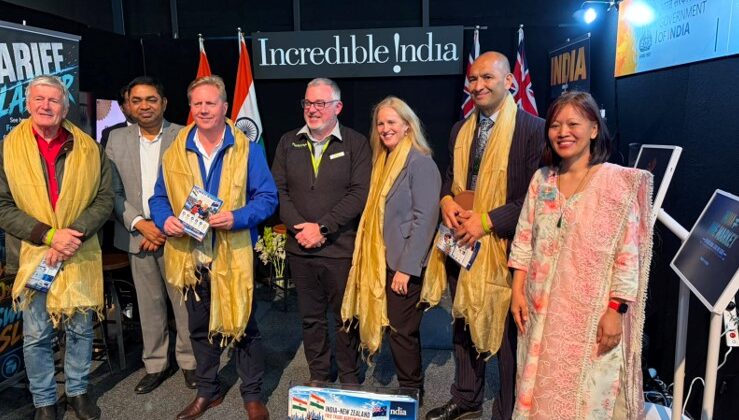
India makes historic Fieldays debut, signals new chapter in India-NZ ties post-FTA
India Press Releases
June 10, 2026
2 min read
Global Broker XM Introduces Mutual Rewards for Traders and Their Friends
India Press Releases
June 8, 2026
4 min read
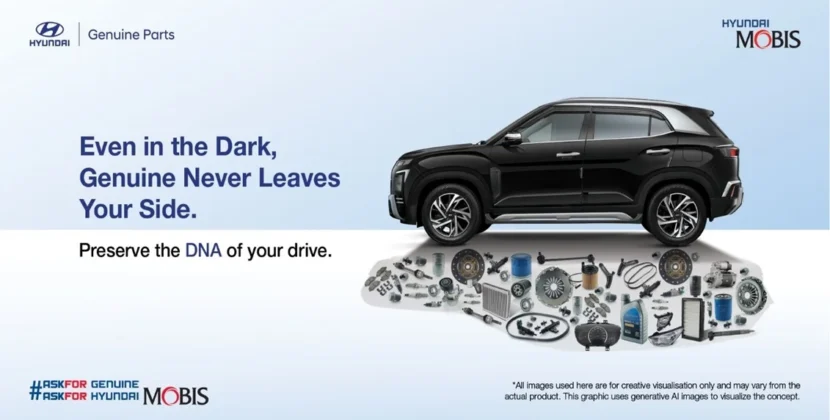
Mobis India launches Anticounterfeit Campaign across Nationwide 2026
India Press Releases
June 5, 2026
7 min read
Foundation Gift Launches Its Father’s Day 2026 Gift Collection
India Press Releases
June 3, 2026
4 min read
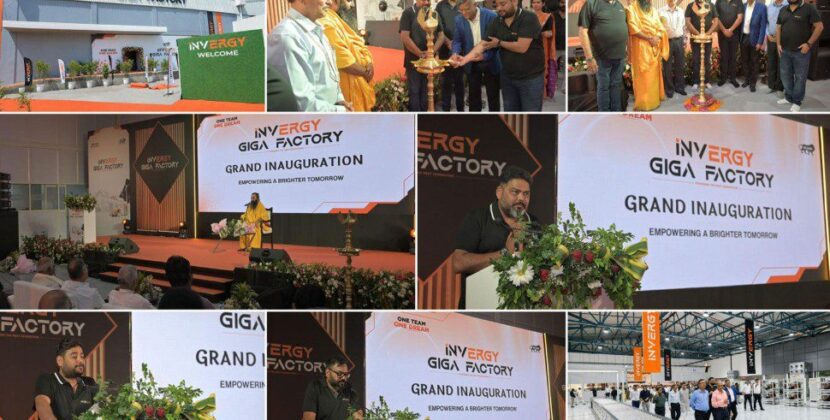
iNVERGY Opens India’s Largest BESS Giga Factory in Uttar Pradesh
Prev.
1
2
3
4
5
…
34
Next
Newsletter