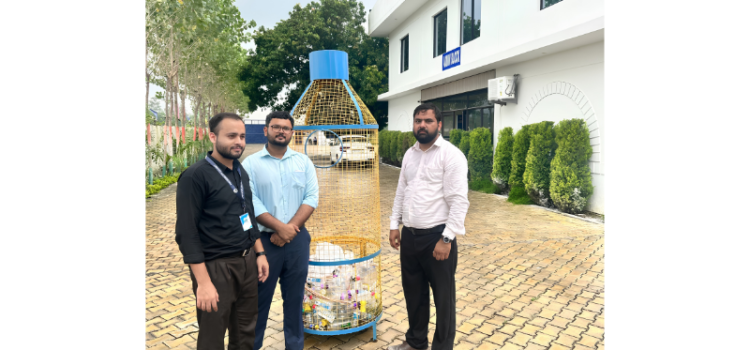
Rampur, Uttar Pradesh: At a time when environmental responsibility is becoming an increasingly important part of education, Birr Scholars Academy, Rampur, has taken a simple but meaningful step towards teaching children that cleanliness and responsible citizenship begin with everyday habits.

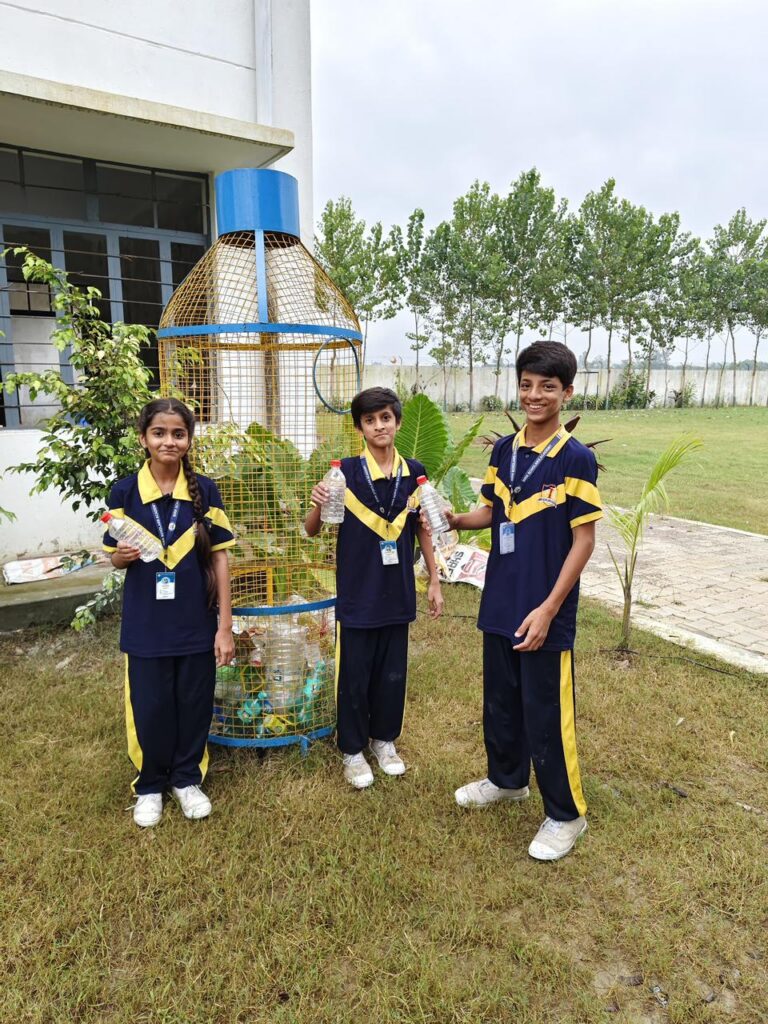
The school has introduced a dedicated Bottle Collection Point, where students can deposit their used plastic bottles instead of throwing them on roadsides or into general waste. The collected bottles are then planned to be sent for recycling, turning an ordinary waste item into an opportunity for environmental education.

The initiative is not intended to stop at the school gate. Birr Scholars Academy aims to develop this idea into a wider Clean & Green Rampur campaign, encouraging the concept of organised bottle collection and recycling points across Rampur city. The vision is to inspire schools, public institutions, businesses and citizens to participate so that waste is collected responsibly and recyclable material reaches the appropriate recycling channels.
Speaking about the initiative, Muqarrab Hadi said that education should not be limited to textbooks, examinations and academic achievements.

“An educated person should become a good human being and a responsible citizen. If education does not teach us responsibility towards society, nature and our surroundings, then the real value of education is incomplete.”

He further emphasised that children learn civic responsibility best when they see positive practices around them. A child who learns to put a bottle into a collection point rather than throwing it on the street is learning more than cleanliness — they are learning responsibility, discipline and respect for their community.

The Bottle Collection Point at Birr Scholars Academy is therefore being positioned not simply as a waste-management facility, but as a learning tool. Students can see firsthand how their daily choices affect the environment and how waste can be separated, collected and recycled rather than becoming part of the growing problem of plastic pollution.
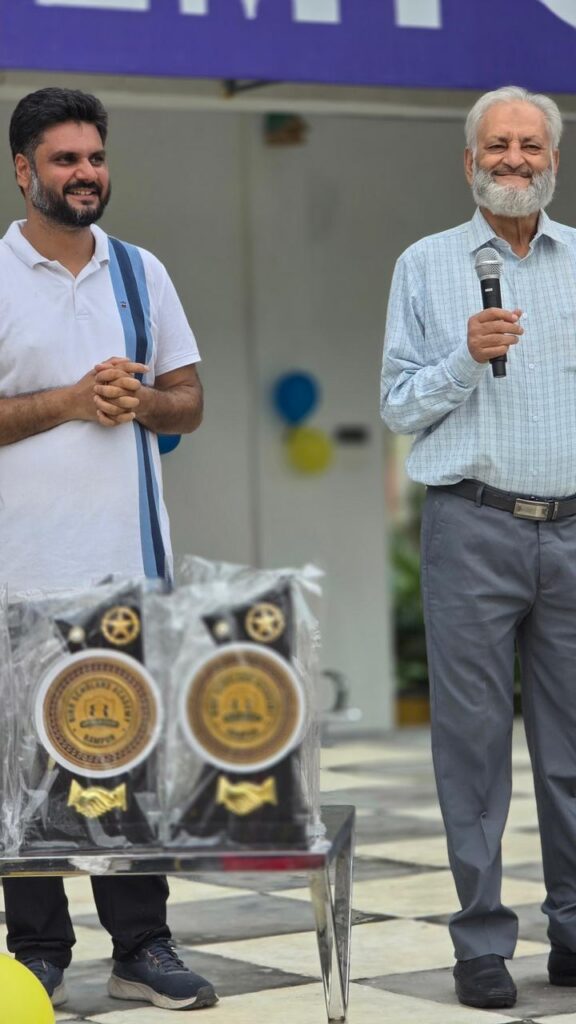
The school believes that creating a Clean & Green Rampur will require collective participation. If similar collection points are established at schools, markets, offices, parks and other public places, citizens could have convenient locations to deposit recyclable bottles and other suitable plastic waste.

The initiative also reflects Birr Scholars Academy’s broader approach to education — one that connects classroom learning with nature, real-life experiences and social responsibility.

The message is simple: clean cities are not created only by municipal systems; they are created by responsible citizens. And responsible citizens are developed through meaningful education.

About Birr Scholars Academy

Birr Scholars Academy is an educational institution in Rampur focused on combining academic learning with practical experiences, environmental awareness, sports, nature and values-based education. Through initiatives such as the Bottle Collection Point, the school seeks to encourage students to become not only successful learners but also responsible members of society
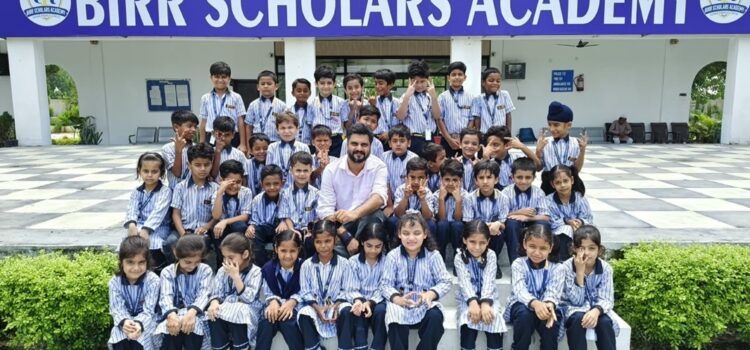
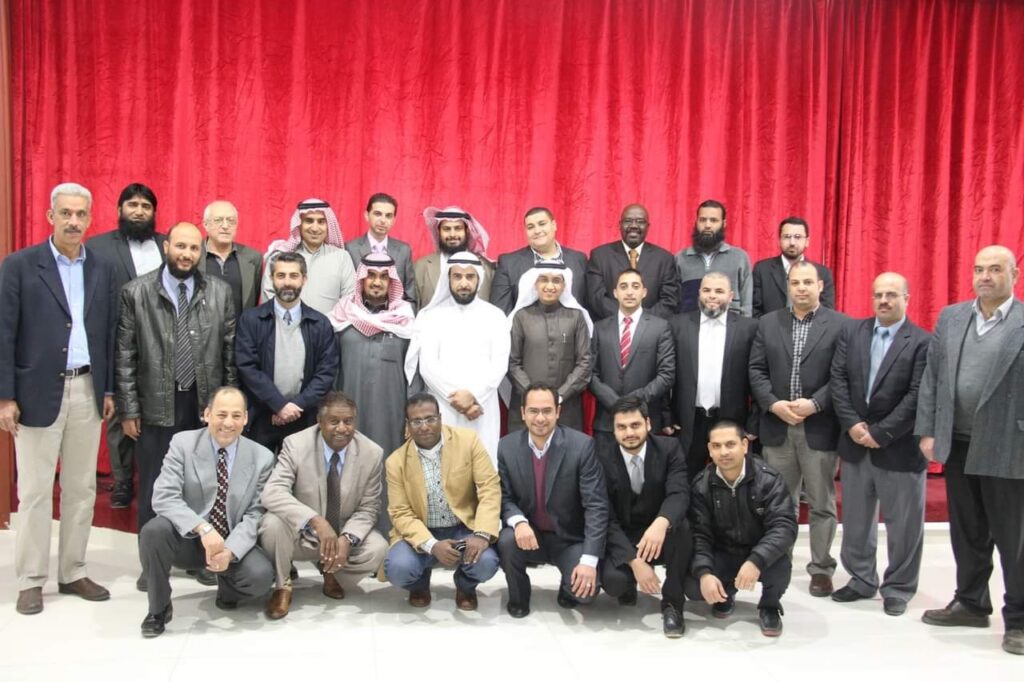
Muqarrab Hadi — Educationist, Engineer, Academic, Author & School Director

For Muqarrab Hadi, education is more than a profession. It is a family legacy, a personal responsibility and a mission to contribute to the future of India.

Hadi comes from a family with a long association with education and public service. His grandfather was a freedom fighter who was honoured in 1972 by the Chief Minister of Uttar Pradesh in recognition of his contribution to the freedom struggle. His father, Musharraf Zama Khan, has dedicated decades of his life to education. Growing up in such an environment shaped Hadi’s belief that education should not be limited to textbooks and examinations, but should help children become confident, responsible, curious and compassionate individuals.

His own academic and professional journey has been international. With an engineering background and educational exposure in New Zealand, Hadi gained the opportunity to experience different approaches to learning outside India. His professional journey also took him to the Middle East, where he worked as a professor, gaining experience in higher education and interacting with students from diverse backgrounds.

Rather than keeping his international experiences limited to his own career, Hadi chose to bring those experiences back into the Indian education sector.

His educational philosophy is based on a simple observation: children learn what they see.

Hadi says he has experienced this with his own children as well as with students at his schools. When he uses a mobile phone, children naturally become curious about it. But when he puts the phone aside and starts reading a book, children often become interested in reading as well.

For him, this is a powerful lesson. Children observe adults constantly and learn from their behaviour more than from instructions.

This philosophy has also influenced the learning environment he is trying to create in his schools.

At his schools, Hadi has encouraged children to learn not only through conventional classroom teaching but also through direct interaction with nature, plants, birds and animals. Birds and animals are kept within the school environment to give children opportunities to observe living beings closely and understand compassion, responsibility and the natural world.

Children are encouraged to observe plants, understand nature and develop awareness about the environment. The idea is to move beyond simply reading about animals, birds, trees and nature in a textbook and allow students to experience these subjects in their everyday surroundings.

According to Hadi, a child who watches a plant grow, observes a bird closely or learns how to care for an animal can develop a different kind of understanding—one that combines knowledge with empathy and responsibility.

His approach also reflects his interest in writing and communication. Hadi has written books in both English and Hindi, using writing as another way to share ideas, knowledge and educational perspectives with a wider audience.

Over the years, his work in education has been associated with Hadi Academy and the development of Birr Scholars Academy, where the focus includes academics as well as communication, confidence, creativity, sports, practical learning and personality development.

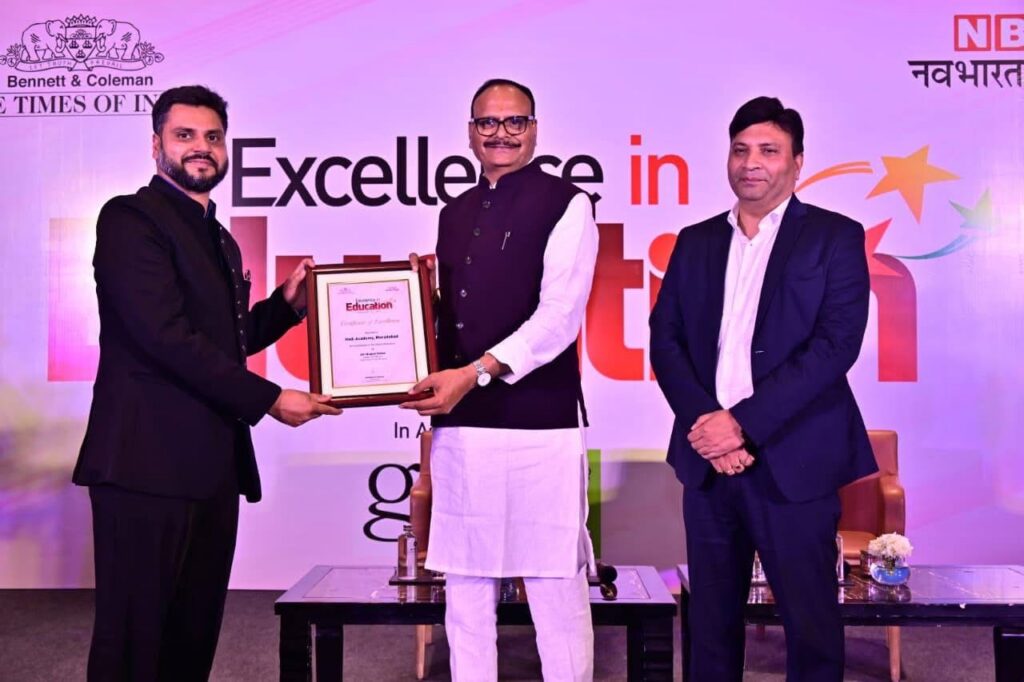
His professional journey and contribution have also received recognition. He has been honoured at the state level, including recognition presented by the Deputy Chief Minister of Uttar Pradesh, along with other awards and recognitions received for his work.

For Hadi, however, awards are not the destination. He sees them as a reminder of the responsibility that comes with working in education.

His international academic exposure, engineering background, experience in higher education, writing and family legacy have shaped his belief that Indian schools can prepare children for a changing world while keeping them connected to values, nature and society.

In an age dominated by screens and digital distractions, Hadi believes children need meaningful experiences. Books, sports, creative activities, nature, animals, plants and real conversations can help children develop qualities that cannot always be taught through a screen.

His message to parents and educators is straightforward: before asking “What are children learning?”, adults should ask “What are children seeing?”

Children may forget many of the instructions adults give them, but the examples they see every day can become part of their personality.

From a family rooted in education and public service to an international academic journey, from engineering and higher education to writing books and developing experiential learning environments for children, Muqarrab Hadi is attempting to carry forward his family’s educational legacy while creating his own vision for the future.

For him, education is ultimately about creating curious minds, confident individuals and compassionate human beings.

His belief is simple: the best classroom is not always surrounded by four walls. Sometimes it is a book, a garden, a bird, an animal, a conversation—or simply the example set by an adult standing in front of a child.