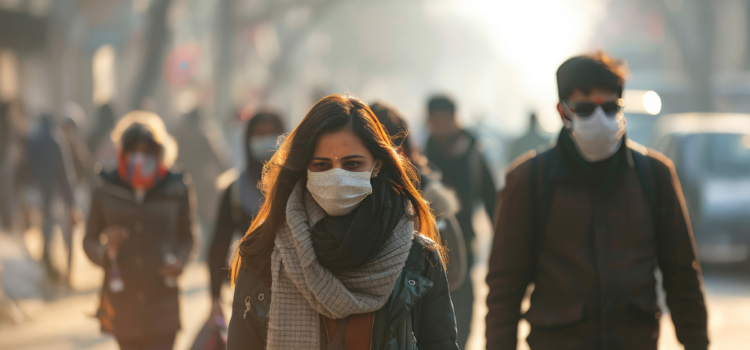
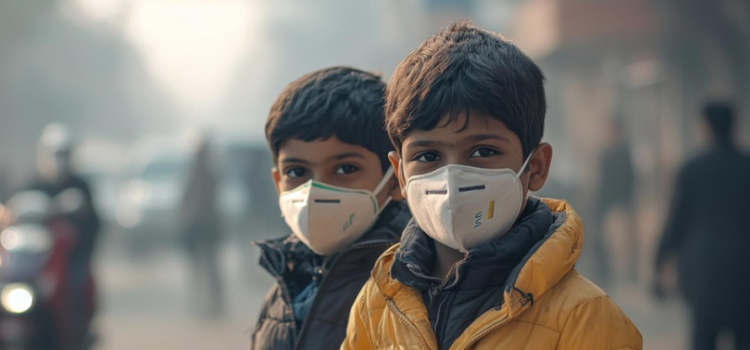
Imagine the horror of a parent waking up in the middle of the night, and their child says, “I can’t breathe”. Unfortunately, this is the reality of what modern parents are facing today. There would be no surprise if doctors started writing air quality into prescriptions and people start relocating for better air quality. More than 90% of the children around the world are breathing toxic air every day. UNICEF report states, air pollution is linked to more than 700,000 deaths of children under five each year, about 2,000 a day, and this should concern every parent, school and policymaker.
Air pollution is not just affecting your child’s respiratory system. It is also a problem of how children grow, how they feel, and how they spend their days. This article walks you through what polluted air does to a child, who is at most risk, and what you can do about it.
Why Children Need Extra Protection
Children are not just smaller adults. They are still developing and their tiny organs are incapable of dealing with high doses of PM2.5, toxic gases, and microbes present in the air. Other factors also add up, making them more vulnerable to polluted air around them.
Children breathe faster and inhale more air for every kilogram of body weight. Each breath carries PM2.5, the fine particulate matter small enough to get inside the lungs and cross into the bloodstream, into a smaller body. Their noses filter pollutants less well than adult noses, so more particles reach the lungs.
Height adds to the dose. Children live closer to the ground, where exhaust and road dust concentrate. A toddler in a stroller breathes worse air than the parent walking beside them. Children also spend more time outdoors than adults, at schools , in playgrounds, and on the road to and from class.
Plus, their lungs, immune system, and brain are developing while they take in this air. Lung development continues until the late teens in girls and the early 20s in boys so damage during those years can stay with a child for life.
Physical Health Risks
Most parents know the sound of a child coughing at 2 a.m. Parents hear it night after night and wonder if it will ever clear.
Polluted air affects the chest first: asthma, wheezing, bronchitis, and pneumonia. In India, more than 10% of schoolchildren have asthma, in a class of 40, that is at least four children.
Lungs grow through childhood, and polluted air can slow that growth. And the damage can be permanent. A child who starts adult life with smaller lungs carries lower lung capacity for the rest of their years.
For some children, it starts even before birth. Pollutants can cross the placenta. Air pollution is responsible for about 34% of preterm births, about one in three. A mother can do everything right, eat well, rest, and see her doctor, and still not control the air she breathes. None of this is a parent’s failure. The air is the problem, and parents are the ones who see its effects first.
How Air Pollution Affects Young Minds
It’s not just about the physical health of your child, each day they spend breathing the toxic air, their mental health and mood also pays the price. The AQI outside can predict how your child is going to feel that day. As a parent you take care of your child’s every need, from doctor visits, to child-safe furnishings, but parents often overlook the importance of one thing: air your child is going to breathe all day.
During infancy and adolescence, polluted air can affect your child’s performance in school, lead to poor test results, and in some cases permanently affect the cognitive development of your child. Affecting the morale and self-esteem of your child in the long-term.
The cost you do not see: a childhood spent indoors
Think about the freedom earlier generations had: you could play outdoors for hours without being concerned about the air quality. But now on high AQI days, the schools close, playgrounds are empty, and parents, quite rightly keep their children inside.
It might look like a safe option at the moment, but it has a price. Less time spent outdoors can affect the physical, emotional and social development of your child. Much of outdoor play is unstructured: children invent games, explain the rules to each other, settle disagreements, and learn to take turns. Those are the skills that shape how they decide, cooperate, and cope.
When bad air takes that away, the harm has two layers: what a child breathes, and what a child misses. Plus, without an air purification system and necessary precautions, keeping children indoors can cause even more damage.
What You Can Do at Home
While you can’t escape from the city life, or settle on an isolated island. Here are some necessary precautions you must take to protect your child, before the pollution season peaks.
- Buy an air quality monitor. Check the AQI daily, both outdoors and indoors. Keep the children indoors during early mornings, and after sunset, as the cold air traps more pollutants.
- Choose the right masks and do not step outside without them. Pick a well-fitted N95 or N99 mask. An adult mask will not seal on a small face, so buy a child-sized one and check that it sits snug around the nose and chin.Do not rely on cloth masks.
- Keep them moving indoors. Introduce indoor active play activities, dancing or stretching so that staying indoors does not mean staying still.
- Catch the warning signs early. If your child shows signs of unusual tiredness, coughing, or wheezing, consult with your doctor immediately.
- Install the right air purification systems. Put a HEPA purifier in the room where your child sleeps and plays. Size it to the room, keep doors and windows shut while it runs, and change filters on schedule.
- Clear the indoor pollutants. Cooking smoke, incense, mosquito coils, secondhand smoke, strong air fresheners, and mould, can make the indoor air even more toxic for your child.
What Happens If Nothing Changes.
Picture where this is headed if nothing changes, in the worst case scenario year after year the AQI stays where it is. The children in your home grow up with weaker lungs and miss weeks of school every year. They carry the cost into adulthood: more hospital visits, less capacity to study and work. The World bank estimates that the global cost of health
damages associated with exposure to air pollution is $8.1 trillion.
Cities will take years to clean their air. A childhood passes faster than that. Your home is the one place where you can change what your child breathes this season, but only if you know what is wrong with its air.
No two homes breathe the same. A ground-floor flat on a main road, a kitchen with no chimney, a bedroom with a window AC that recirculates stale air, and a house with a newborn or a child with asthma each need a different setup. A single purifier in one room cannot cover all of them. O2Cure designs indoor air solutions around your home: its size, layout, ventilation, and the people who live in it, so the solution fits your home and your child’s needs.
Pollution season is starting. Fix your home’s air before it peaks.
Book your home air audit today: https://o2cure.in/