Home
New Delhi [India], August 13:
Indian online gifting platform
OyeGifts
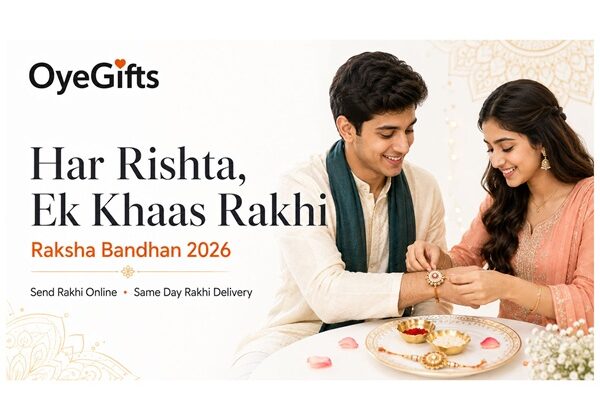
has introduced its Raksha Bandhan 2026 collection under the campaign theme "Har Rishta, Ek Khaas Rakhi." Bringing together thoughtfully selected Rakhis, festive combinations and meaningful gifts, the collection offers customers a convenient way to
Send Rakhi online
to siblings and loved ones across India. Raksha Bandhan celebrates much more than the exchange of a sacred thread. It represents childhood memories, affectionate teasing, shared secrets, gratitude, emotional support and the comfort of a lifelong connection. As siblings grow older, move to different cities or begin families of their own, the festival becomes an opportunity to pause and acknowledge the relationship they continue to share. Inspired by this idea, "Har Rishta, Ek Khaas Rakhi" places the individuality of every sibling bond at the centre of festive gifting. The campaign encourages customers to choose a Rakhi or gift that feels relevant to the recipient rather than treating every relationship in the same way. Customers looking to send Rakhi online through OyeGifts can explore traditional and contemporary Rakhis, personalised options, Rakhi sets, children's designs and thoughtfully assembled gift combinations. The collection has been organised around different relationships, personalities, preferences and budgets, helping shoppers find an appropriate option without having to navigate an overwhelming number of individual designs. The festive selection extends beyond Rakhi threads. Customers can pair a Rakhi with sweets, chocolates, dry fruits, cakes, flowers, personalised keepsakes or curated gift hampers. These combinations make it possible to arrange a more complete Raksha Bandhan surprise through a single order, whether the customer prefers a simple traditional gesture or a more elaborate festive presentation. Dhirendra Kumar Tiwari, Founder and Managing Director of OyeGifts, said, "Every sibling relationship develops its own memories, private jokes and ways of expressing affection. Through 'Har Rishta, Ek Khaas Rakhi', we want to help customers choose something that feels true to their relationship. Along with thoughtful gifting options, our focus is on making online ordering and delivery simple, convenient and dependable, especially for families celebrating across different cities."
Same-Day Rakhi Delivery for Last-Minute Celebrations
Recognising that festive plans are not always made in advance, OyeGifts is offering
same day Rakhi delivery
for selected products in serviceable locations. The option is intended to help customers arrange a Rakhi or festive gift at short notice and remain part of the celebration even when they cannot be present in person. Customers can enter the recipient's PIN code on the OyeGifts website to check available delivery dates and time slots before completing their purchase. Same-day availability is determined by the selected product, destination, order timing and local delivery capacity. Along with same-day Rakhi delivery, express, scheduled and courier delivery options may be available for eligible products and locations. This gives customers the flexibility to plan their surprise in advance or arrange a last-minute delivery according to their requirements. The online ordering process has been designed to keep festive shopping convenient. Customers can browse the collection, choose an appropriate Rakhi or gift, add the recipient's details and a personal message, and review available delivery options in one place. OyeGifts also provides a convenient way for customers living outside the country to send Rakhi to India. They can select a suitable festive option online and arrange delivery to a serviceable Indian address, helping them celebrate with their siblings despite the geographical distance. By combining thoughtful festive choices, convenient online discovery and flexible delivery services, OyeGifts aims to reduce the effort involved in Raksha Bandhan gifting. The focus of its 2026 campaign is to help customers find something personal while ensuring that distance or last-minute planning does not prevent them from expressing their affection. With "Har Rishta, Ek Khaas Rakhi," OyeGifts seeks to celebrate the distinct character of every sibling relationship while positioning its platform as a convenient destination for customers looking to send Rakhi online, explore festive gifts and access same-day Rakhi delivery in eligible locations. Customers can explore the Raksha Bandhan 2026 collection and check delivery availability at
www.oyegifts.com
.
About OyeGifts
OyeGifts is an Indian online gifting platform offering flowers, cakes, personalised gifts, plants, festive products and curated hampers for different relationships and occasions. Through its online platform and gifting network, OyeGifts helps customers send thoughtful surprises for birthdays, anniversaries, weddings, festivals and personal milestones. Media Contact Dhirendra Kumar Tiwari Founder and Managing Director
OyeGifts
Phone:
+91 88106 53911
Email:
support@oyegifts.com
Website:
www.oyegifts.com
Fashion
New Delhi [India], August 13:
Indian online gifting platform
OyeGifts
has introduced its Raksha Bandhan 2026 collection under the campaign theme "Har Rishta, Ek Khaas Rakhi." Bringing together thoughtfully selected Rakhis, festive combinations and meaningful gifts, the collection offers customers a convenient way to
Send Rakhi online
to siblings and loved ones across India. Raksha Bandhan celebrates much more than the exchange of a sacred thread. It represents childhood memories, affectionate teasing, shared secrets, gratitude, emotional support and the comfort of a lifelong connection. As siblings grow older, move to different cities or begin families of their own, the festival becomes an opportunity to pause and acknowledge the relationship they continue to share. Inspired by this idea, "Har Rishta, Ek Khaas Rakhi" places the individuality of every sibling bond at the centre of festive gifting. The campaign encourages customers to choose a Rakhi or gift that feels relevant to the recipient rather than treating every relationship in the same way. Customers looking to send Rakhi online through OyeGifts can explore traditional and contemporary Rakhis, personalised options, Rakhi sets, children's designs and thoughtfully assembled gift combinations. The collection has been organised around different relationships, personalities, preferences and budgets, helping shoppers find an appropriate option without having to navigate an overwhelming number of individual designs. The festive selection extends beyond Rakhi threads. Customers can pair a Rakhi with sweets, chocolates, dry fruits, cakes, flowers, personalised keepsakes or curated gift hampers. These combinations make it possible to arrange a more complete Raksha Bandhan surprise through a single order, whether the customer prefers a simple traditional gesture or a more elaborate festive presentation. Dhirendra Kumar Tiwari, Founder and Managing Director of OyeGifts, said, "Every sibling relationship develops its own memories, private jokes and ways of expressing affection. Through 'Har Rishta, Ek Khaas Rakhi', we want to help customers choose something that feels true to their relationship. Along with thoughtful gifting options, our focus is on making online ordering and delivery simple, convenient and dependable, especially for families celebrating across different cities."
Same-Day Rakhi Delivery for Last-Minute Celebrations
Recognising that festive plans are not always made in advance, OyeGifts is offering
same day Rakhi delivery
for selected products in serviceable locations. The option is intended to help customers arrange a Rakhi or festive gift at short notice and remain part of the celebration even when they cannot be present in person. Customers can enter the recipient's PIN code on the OyeGifts website to check available delivery dates and time slots before completing their purchase. Same-day availability is determined by the selected product, destination, order timing and local delivery capacity. Along with same-day Rakhi delivery, express, scheduled and courier delivery options may be available for eligible products and locations. This gives customers the flexibility to plan their surprise in advance or arrange a last-minute delivery according to their requirements. The online ordering process has been designed to keep festive shopping convenient. Customers can browse the collection, choose an appropriate Rakhi or gift, add the recipient's details and a personal message, and review available delivery options in one place. OyeGifts also provides a convenient way for customers living outside the country to send Rakhi to India. They can select a suitable festive option online and arrange delivery to a serviceable Indian address, helping them celebrate with their siblings despite the geographical distance. By combining thoughtful festive choices, convenient online discovery and flexible delivery services, OyeGifts aims to reduce the effort involved in Raksha Bandhan gifting. The focus of its 2026 campaign is to help customers find something personal while ensuring that distance or last-minute planning does not prevent them from expressing their affection. With "Har Rishta, Ek Khaas Rakhi," OyeGifts seeks to celebrate the distinct character of every sibling relationship while positioning its platform as a convenient destination for customers looking to send Rakhi online, explore festive gifts and access same-day Rakhi delivery in eligible locations. Customers can explore the Raksha Bandhan 2026 collection and check delivery availability at
www.oyegifts.com
.
About OyeGifts
OyeGifts is an Indian online gifting platform offering flowers, cakes, personalised gifts, plants, festive products and curated hampers for different relationships and occasions. Through its online platform and gifting network, OyeGifts helps customers send thoughtful surprises for birthdays, anniversaries, weddings, festivals and personal milestones. Media Contact Dhirendra Kumar Tiwari Founder and Managing Director
OyeGifts
Phone:
+91 88106 53911
Email:
support@oyegifts.com
Website:
www.oyegifts.com
General News
New Delhi [India], August 13:
Indian online gifting platform
OyeGifts
has introduced its Raksha Bandhan 2026 collection under the campaign theme "Har Rishta, Ek Khaas Rakhi." Bringing together thoughtfully selected Rakhis, festive combinations and meaningful gifts, the collection offers customers a convenient way to
Send Rakhi online
to siblings and loved ones across India. Raksha Bandhan celebrates much more than the exchange of a sacred thread. It represents childhood memories, affectionate teasing, shared secrets, gratitude, emotional support and the comfort of a lifelong connection. As siblings grow older, move to different cities or begin families of their own, the festival becomes an opportunity to pause and acknowledge the relationship they continue to share. Inspired by this idea, "Har Rishta, Ek Khaas Rakhi" places the individuality of every sibling bond at the centre of festive gifting. The campaign encourages customers to choose a Rakhi or gift that feels relevant to the recipient rather than treating every relationship in the same way. Customers looking to send Rakhi online through OyeGifts can explore traditional and contemporary Rakhis, personalised options, Rakhi sets, children's designs and thoughtfully assembled gift combinations. The collection has been organised around different relationships, personalities, preferences and budgets, helping shoppers find an appropriate option without having to navigate an overwhelming number of individual designs. The festive selection extends beyond Rakhi threads. Customers can pair a Rakhi with sweets, chocolates, dry fruits, cakes, flowers, personalised keepsakes or curated gift hampers. These combinations make it possible to arrange a more complete Raksha Bandhan surprise through a single order, whether the customer prefers a simple traditional gesture or a more elaborate festive presentation. Dhirendra Kumar Tiwari, Founder and Managing Director of OyeGifts, said, "Every sibling relationship develops its own memories, private jokes and ways of expressing affection. Through 'Har Rishta, Ek Khaas Rakhi', we want to help customers choose something that feels true to their relationship. Along with thoughtful gifting options, our focus is on making online ordering and delivery simple, convenient and dependable, especially for families celebrating across different cities."
Same-Day Rakhi Delivery for Last-Minute Celebrations
Recognising that festive plans are not always made in advance, OyeGifts is offering
same day Rakhi delivery
for selected products in serviceable locations. The option is intended to help customers arrange a Rakhi or festive gift at short notice and remain part of the celebration even when they cannot be present in person. Customers can enter the recipient's PIN code on the OyeGifts website to check available delivery dates and time slots before completing their purchase. Same-day availability is determined by the selected product, destination, order timing and local delivery capacity. Along with same-day Rakhi delivery, express, scheduled and courier delivery options may be available for eligible products and locations. This gives customers the flexibility to plan their surprise in advance or arrange a last-minute delivery according to their requirements. The online ordering process has been designed to keep festive shopping convenient. Customers can browse the collection, choose an appropriate Rakhi or gift, add the recipient's details and a personal message, and review available delivery options in one place. OyeGifts also provides a convenient way for customers living outside the country to send Rakhi to India. They can select a suitable festive option online and arrange delivery to a serviceable Indian address, helping them celebrate with their siblings despite the geographical distance. By combining thoughtful festive choices, convenient online discovery and flexible delivery services, OyeGifts aims to reduce the effort involved in Raksha Bandhan gifting. The focus of its 2026 campaign is to help customers find something personal while ensuring that distance or last-minute planning does not prevent them from expressing their affection. With "Har Rishta, Ek Khaas Rakhi," OyeGifts seeks to celebrate the distinct character of every sibling relationship while positioning its platform as a convenient destination for customers looking to send Rakhi online, explore festive gifts and access same-day Rakhi delivery in eligible locations. Customers can explore the Raksha Bandhan 2026 collection and check delivery availability at
www.oyegifts.com
.
About OyeGifts
OyeGifts is an Indian online gifting platform offering flowers, cakes, personalised gifts, plants, festive products and curated hampers for different relationships and occasions. Through its online platform and gifting network, OyeGifts helps customers send thoughtful surprises for birthdays, anniversaries, weddings, festivals and personal milestones. Media Contact Dhirendra Kumar Tiwari Founder and Managing Director
OyeGifts
Phone:
+91 88106 53911
Email:
support@oyegifts.com
Website:
www.oyegifts.com
Health
New Delhi [India], August 13:
Indian online gifting platform
OyeGifts
has introduced its Raksha Bandhan 2026 collection under the campaign theme "Har Rishta, Ek Khaas Rakhi." Bringing together thoughtfully selected Rakhis, festive combinations and meaningful gifts, the collection offers customers a convenient way to
Send Rakhi online
to siblings and loved ones across India. Raksha Bandhan celebrates much more than the exchange of a sacred thread. It represents childhood memories, affectionate teasing, shared secrets, gratitude, emotional support and the comfort of a lifelong connection. As siblings grow older, move to different cities or begin families of their own, the festival becomes an opportunity to pause and acknowledge the relationship they continue to share. Inspired by this idea, "Har Rishta, Ek Khaas Rakhi" places the individuality of every sibling bond at the centre of festive gifting. The campaign encourages customers to choose a Rakhi or gift that feels relevant to the recipient rather than treating every relationship in the same way. Customers looking to send Rakhi online through OyeGifts can explore traditional and contemporary Rakhis, personalised options, Rakhi sets, children's designs and thoughtfully assembled gift combinations. The collection has been organised around different relationships, personalities, preferences and budgets, helping shoppers find an appropriate option without having to navigate an overwhelming number of individual designs. The festive selection extends beyond Rakhi threads. Customers can pair a Rakhi with sweets, chocolates, dry fruits, cakes, flowers, personalised keepsakes or curated gift hampers. These combinations make it possible to arrange a more complete Raksha Bandhan surprise through a single order, whether the customer prefers a simple traditional gesture or a more elaborate festive presentation. Dhirendra Kumar Tiwari, Founder and Managing Director of OyeGifts, said, "Every sibling relationship develops its own memories, private jokes and ways of expressing affection. Through 'Har Rishta, Ek Khaas Rakhi', we want to help customers choose something that feels true to their relationship. Along with thoughtful gifting options, our focus is on making online ordering and delivery simple, convenient and dependable, especially for families celebrating across different cities."
Same-Day Rakhi Delivery for Last-Minute Celebrations
Recognising that festive plans are not always made in advance, OyeGifts is offering
same day Rakhi delivery
for selected products in serviceable locations. The option is intended to help customers arrange a Rakhi or festive gift at short notice and remain part of the celebration even when they cannot be present in person. Customers can enter the recipient's PIN code on the OyeGifts website to check available delivery dates and time slots before completing their purchase. Same-day availability is determined by the selected product, destination, order timing and local delivery capacity. Along with same-day Rakhi delivery, express, scheduled and courier delivery options may be available for eligible products and locations. This gives customers the flexibility to plan their surprise in advance or arrange a last-minute delivery according to their requirements. The online ordering process has been designed to keep festive shopping convenient. Customers can browse the collection, choose an appropriate Rakhi or gift, add the recipient's details and a personal message, and review available delivery options in one place. OyeGifts also provides a convenient way for customers living outside the country to send Rakhi to India. They can select a suitable festive option online and arrange delivery to a serviceable Indian address, helping them celebrate with their siblings despite the geographical distance. By combining thoughtful festive choices, convenient online discovery and flexible delivery services, OyeGifts aims to reduce the effort involved in Raksha Bandhan gifting. The focus of its 2026 campaign is to help customers find something personal while ensuring that distance or last-minute planning does not prevent them from expressing their affection. With "Har Rishta, Ek Khaas Rakhi," OyeGifts seeks to celebrate the distinct character of every sibling relationship while positioning its platform as a convenient destination for customers looking to send Rakhi online, explore festive gifts and access same-day Rakhi delivery in eligible locations. Customers can explore the Raksha Bandhan 2026 collection and check delivery availability at
www.oyegifts.com
.
About OyeGifts
OyeGifts is an Indian online gifting platform offering flowers, cakes, personalised gifts, plants, festive products and curated hampers for different relationships and occasions. Through its online platform and gifting network, OyeGifts helps customers send thoughtful surprises for birthdays, anniversaries, weddings, festivals and personal milestones. Media Contact Dhirendra Kumar Tiwari Founder and Managing Director
OyeGifts
Phone:
+91 88106 53911
Email:
support@oyegifts.com
Website:
www.oyegifts.com
Lifestyle
New Delhi [India], August 13:
Indian online gifting platform
OyeGifts
has introduced its Raksha Bandhan 2026 collection under the campaign theme "Har Rishta, Ek Khaas Rakhi." Bringing together thoughtfully selected Rakhis, festive combinations and meaningful gifts, the collection offers customers a convenient way to
Send Rakhi online
to siblings and loved ones across India. Raksha Bandhan celebrates much more than the exchange of a sacred thread. It represents childhood memories, affectionate teasing, shared secrets, gratitude, emotional support and the comfort of a lifelong connection. As siblings grow older, move to different cities or begin families of their own, the festival becomes an opportunity to pause and acknowledge the relationship they continue to share. Inspired by this idea, "Har Rishta, Ek Khaas Rakhi" places the individuality of every sibling bond at the centre of festive gifting. The campaign encourages customers to choose a Rakhi or gift that feels relevant to the recipient rather than treating every relationship in the same way. Customers looking to send Rakhi online through OyeGifts can explore traditional and contemporary Rakhis, personalised options, Rakhi sets, children's designs and thoughtfully assembled gift combinations. The collection has been organised around different relationships, personalities, preferences and budgets, helping shoppers find an appropriate option without having to navigate an overwhelming number of individual designs. The festive selection extends beyond Rakhi threads. Customers can pair a Rakhi with sweets, chocolates, dry fruits, cakes, flowers, personalised keepsakes or curated gift hampers. These combinations make it possible to arrange a more complete Raksha Bandhan surprise through a single order, whether the customer prefers a simple traditional gesture or a more elaborate festive presentation. Dhirendra Kumar Tiwari, Founder and Managing Director of OyeGifts, said, "Every sibling relationship develops its own memories, private jokes and ways of expressing affection. Through 'Har Rishta, Ek Khaas Rakhi', we want to help customers choose something that feels true to their relationship. Along with thoughtful gifting options, our focus is on making online ordering and delivery simple, convenient and dependable, especially for families celebrating across different cities."
Same-Day Rakhi Delivery for Last-Minute Celebrations
Recognising that festive plans are not always made in advance, OyeGifts is offering
same day Rakhi delivery
for selected products in serviceable locations. The option is intended to help customers arrange a Rakhi or festive gift at short notice and remain part of the celebration even when they cannot be present in person. Customers can enter the recipient's PIN code on the OyeGifts website to check available delivery dates and time slots before completing their purchase. Same-day availability is determined by the selected product, destination, order timing and local delivery capacity. Along with same-day Rakhi delivery, express, scheduled and courier delivery options may be available for eligible products and locations. This gives customers the flexibility to plan their surprise in advance or arrange a last-minute delivery according to their requirements. The online ordering process has been designed to keep festive shopping convenient. Customers can browse the collection, choose an appropriate Rakhi or gift, add the recipient's details and a personal message, and review available delivery options in one place. OyeGifts also provides a convenient way for customers living outside the country to send Rakhi to India. They can select a suitable festive option online and arrange delivery to a serviceable Indian address, helping them celebrate with their siblings despite the geographical distance. By combining thoughtful festive choices, convenient online discovery and flexible delivery services, OyeGifts aims to reduce the effort involved in Raksha Bandhan gifting. The focus of its 2026 campaign is to help customers find something personal while ensuring that distance or last-minute planning does not prevent them from expressing their affection. With "Har Rishta, Ek Khaas Rakhi," OyeGifts seeks to celebrate the distinct character of every sibling relationship while positioning its platform as a convenient destination for customers looking to send Rakhi online, explore festive gifts and access same-day Rakhi delivery in eligible locations. Customers can explore the Raksha Bandhan 2026 collection and check delivery availability at
www.oyegifts.com
.
About OyeGifts
OyeGifts is an Indian online gifting platform offering flowers, cakes, personalised gifts, plants, festive products and curated hampers for different relationships and occasions. Through its online platform and gifting network, OyeGifts helps customers send thoughtful surprises for birthdays, anniversaries, weddings, festivals and personal milestones. Media Contact Dhirendra Kumar Tiwari Founder and Managing Director
OyeGifts
Phone:
+91 88106 53911
Email:
support@oyegifts.com
Website:
www.oyegifts.com
Arts & Entertainment
New Delhi [India], August 13:
Indian online gifting platform
OyeGifts
has introduced its Raksha Bandhan 2026 collection under the campaign theme "Har Rishta, Ek Khaas Rakhi." Bringing together thoughtfully selected Rakhis, festive combinations and meaningful gifts, the collection offers customers a convenient way to
Send Rakhi online
to siblings and loved ones across India. Raksha Bandhan celebrates much more than the exchange of a sacred thread. It represents childhood memories, affectionate teasing, shared secrets, gratitude, emotional support and the comfort of a lifelong connection. As siblings grow older, move to different cities or begin families of their own, the festival becomes an opportunity to pause and acknowledge the relationship they continue to share. Inspired by this idea, "Har Rishta, Ek Khaas Rakhi" places the individuality of every sibling bond at the centre of festive gifting. The campaign encourages customers to choose a Rakhi or gift that feels relevant to the recipient rather than treating every relationship in the same way. Customers looking to send Rakhi online through OyeGifts can explore traditional and contemporary Rakhis, personalised options, Rakhi sets, children's designs and thoughtfully assembled gift combinations. The collection has been organised around different relationships, personalities, preferences and budgets, helping shoppers find an appropriate option without having to navigate an overwhelming number of individual designs. The festive selection extends beyond Rakhi threads. Customers can pair a Rakhi with sweets, chocolates, dry fruits, cakes, flowers, personalised keepsakes or curated gift hampers. These combinations make it possible to arrange a more complete Raksha Bandhan surprise through a single order, whether the customer prefers a simple traditional gesture or a more elaborate festive presentation. Dhirendra Kumar Tiwari, Founder and Managing Director of OyeGifts, said, "Every sibling relationship develops its own memories, private jokes and ways of expressing affection. Through 'Har Rishta, Ek Khaas Rakhi', we want to help customers choose something that feels true to their relationship. Along with thoughtful gifting options, our focus is on making online ordering and delivery simple, convenient and dependable, especially for families celebrating across different cities."
Same-Day Rakhi Delivery for Last-Minute Celebrations
Recognising that festive plans are not always made in advance, OyeGifts is offering
same day Rakhi delivery
for selected products in serviceable locations. The option is intended to help customers arrange a Rakhi or festive gift at short notice and remain part of the celebration even when they cannot be present in person. Customers can enter the recipient's PIN code on the OyeGifts website to check available delivery dates and time slots before completing their purchase. Same-day availability is determined by the selected product, destination, order timing and local delivery capacity. Along with same-day Rakhi delivery, express, scheduled and courier delivery options may be available for eligible products and locations. This gives customers the flexibility to plan their surprise in advance or arrange a last-minute delivery according to their requirements. The online ordering process has been designed to keep festive shopping convenient. Customers can browse the collection, choose an appropriate Rakhi or gift, add the recipient's details and a personal message, and review available delivery options in one place. OyeGifts also provides a convenient way for customers living outside the country to send Rakhi to India. They can select a suitable festive option online and arrange delivery to a serviceable Indian address, helping them celebrate with their siblings despite the geographical distance. By combining thoughtful festive choices, convenient online discovery and flexible delivery services, OyeGifts aims to reduce the effort involved in Raksha Bandhan gifting. The focus of its 2026 campaign is to help customers find something personal while ensuring that distance or last-minute planning does not prevent them from expressing their affection. With "Har Rishta, Ek Khaas Rakhi," OyeGifts seeks to celebrate the distinct character of every sibling relationship while positioning its platform as a convenient destination for customers looking to send Rakhi online, explore festive gifts and access same-day Rakhi delivery in eligible locations. Customers can explore the Raksha Bandhan 2026 collection and check delivery availability at
www.oyegifts.com
.
About OyeGifts
OyeGifts is an Indian online gifting platform offering flowers, cakes, personalised gifts, plants, festive products and curated hampers for different relationships and occasions. Through its online platform and gifting network, OyeGifts helps customers send thoughtful surprises for birthdays, anniversaries, weddings, festivals and personal milestones. Media Contact Dhirendra Kumar Tiwari Founder and Managing Director
OyeGifts
Phone:
+91 88106 53911
Email:
support@oyegifts.com
Website:
www.oyegifts.com
Technology
New Delhi [India], August 13:
Indian online gifting platform
OyeGifts
has introduced its Raksha Bandhan 2026 collection under the campaign theme "Har Rishta, Ek Khaas Rakhi." Bringing together thoughtfully selected Rakhis, festive combinations and meaningful gifts, the collection offers customers a convenient way to
Send Rakhi online
to siblings and loved ones across India. Raksha Bandhan celebrates much more than the exchange of a sacred thread. It represents childhood memories, affectionate teasing, shared secrets, gratitude, emotional support and the comfort of a lifelong connection. As siblings grow older, move to different cities or begin families of their own, the festival becomes an opportunity to pause and acknowledge the relationship they continue to share. Inspired by this idea, "Har Rishta, Ek Khaas Rakhi" places the individuality of every sibling bond at the centre of festive gifting. The campaign encourages customers to choose a Rakhi or gift that feels relevant to the recipient rather than treating every relationship in the same way. Customers looking to send Rakhi online through OyeGifts can explore traditional and contemporary Rakhis, personalised options, Rakhi sets, children's designs and thoughtfully assembled gift combinations. The collection has been organised around different relationships, personalities, preferences and budgets, helping shoppers find an appropriate option without having to navigate an overwhelming number of individual designs. The festive selection extends beyond Rakhi threads. Customers can pair a Rakhi with sweets, chocolates, dry fruits, cakes, flowers, personalised keepsakes or curated gift hampers. These combinations make it possible to arrange a more complete Raksha Bandhan surprise through a single order, whether the customer prefers a simple traditional gesture or a more elaborate festive presentation. Dhirendra Kumar Tiwari, Founder and Managing Director of OyeGifts, said, "Every sibling relationship develops its own memories, private jokes and ways of expressing affection. Through 'Har Rishta, Ek Khaas Rakhi', we want to help customers choose something that feels true to their relationship. Along with thoughtful gifting options, our focus is on making online ordering and delivery simple, convenient and dependable, especially for families celebrating across different cities."
Same-Day Rakhi Delivery for Last-Minute Celebrations
Recognising that festive plans are not always made in advance, OyeGifts is offering
same day Rakhi delivery
for selected products in serviceable locations. The option is intended to help customers arrange a Rakhi or festive gift at short notice and remain part of the celebration even when they cannot be present in person. Customers can enter the recipient's PIN code on the OyeGifts website to check available delivery dates and time slots before completing their purchase. Same-day availability is determined by the selected product, destination, order timing and local delivery capacity. Along with same-day Rakhi delivery, express, scheduled and courier delivery options may be available for eligible products and locations. This gives customers the flexibility to plan their surprise in advance or arrange a last-minute delivery according to their requirements. The online ordering process has been designed to keep festive shopping convenient. Customers can browse the collection, choose an appropriate Rakhi or gift, add the recipient's details and a personal message, and review available delivery options in one place. OyeGifts also provides a convenient way for customers living outside the country to send Rakhi to India. They can select a suitable festive option online and arrange delivery to a serviceable Indian address, helping them celebrate with their siblings despite the geographical distance. By combining thoughtful festive choices, convenient online discovery and flexible delivery services, OyeGifts aims to reduce the effort involved in Raksha Bandhan gifting. The focus of its 2026 campaign is to help customers find something personal while ensuring that distance or last-minute planning does not prevent them from expressing their affection. With "Har Rishta, Ek Khaas Rakhi," OyeGifts seeks to celebrate the distinct character of every sibling relationship while positioning its platform as a convenient destination for customers looking to send Rakhi online, explore festive gifts and access same-day Rakhi delivery in eligible locations. Customers can explore the Raksha Bandhan 2026 collection and check delivery availability at
www.oyegifts.com
.
About OyeGifts
OyeGifts is an Indian online gifting platform offering flowers, cakes, personalised gifts, plants, festive products and curated hampers for different relationships and occasions. Through its online platform and gifting network, OyeGifts helps customers send thoughtful surprises for birthdays, anniversaries, weddings, festivals and personal milestones. Media Contact Dhirendra Kumar Tiwari Founder and Managing Director
OyeGifts
Phone:
+91 88106 53911
Email:
support@oyegifts.com
Website:
www.oyegifts.com
Category: Latest News
Home
Latest News
India Press Releases
August 17, 2026
6 min read
OyeGifts Celebrates Every Sibling Bond with ‘Har Rishta, Ek Khaas Rakhi’ for Raksha Bandhan 2026
India Press Releases
August 14, 2026
8 min read
India’s TB elimination goal needs stronger diagnostic infrastructure at the point of care: peer-reviewed study
India Press Releases
July 23, 2026
1 min read
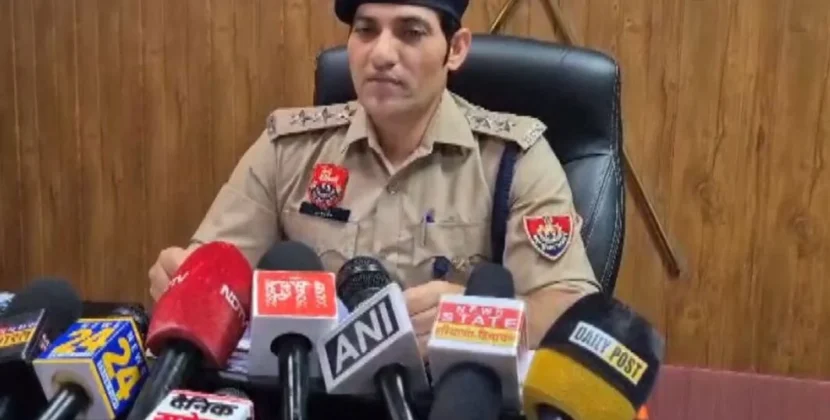
Gurugram Police detain 13 suspected Bangladeshi nationals for illegal stay, initiate deportation process
India Press Releases
May 6, 2026
6 min read
European Company P3 Establishes AI Factory in India to Drive Rapid Global Scale-Up
India Press Releases
March 27, 2026
2 min read
Rotary Club of Madras South Launches “பாதம் காப்போம்” Diabetic Foot Care Initiative at VHS, Chennai
India Press Releases
March 13, 2026
1 min read
Patna High Court Senior Advocate Awadh Bihari Ojha Passes Away
India Press Releases
February 3, 2026
4 min read
Kidus Optimus from FIITJEE Global School Recognised as Excellent Preschool at Times Education Icons 2025-26
India Press Releases
January 28, 2026
5 min read
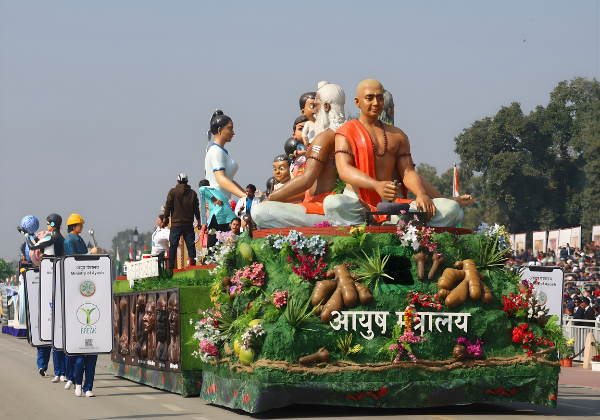
Incredible Design Showcases Two Iconic Republic Day Parade Tableaux Celebrating Ayush and the Legacy of Punyashloka Lokmata Devi Ahilyabai Holkar
India Press Releases
January 20, 2026
7 min read
Statement of Shincheonji Church of Jesus
India Press Releases
December 16, 2025
4 min read
New Data for Delhi: Reusable Mask Cuts Toxic Diesel Soot by 71% in Real-World Commute Study
Prev.
1
2
3
4
5
Next
Newsletter